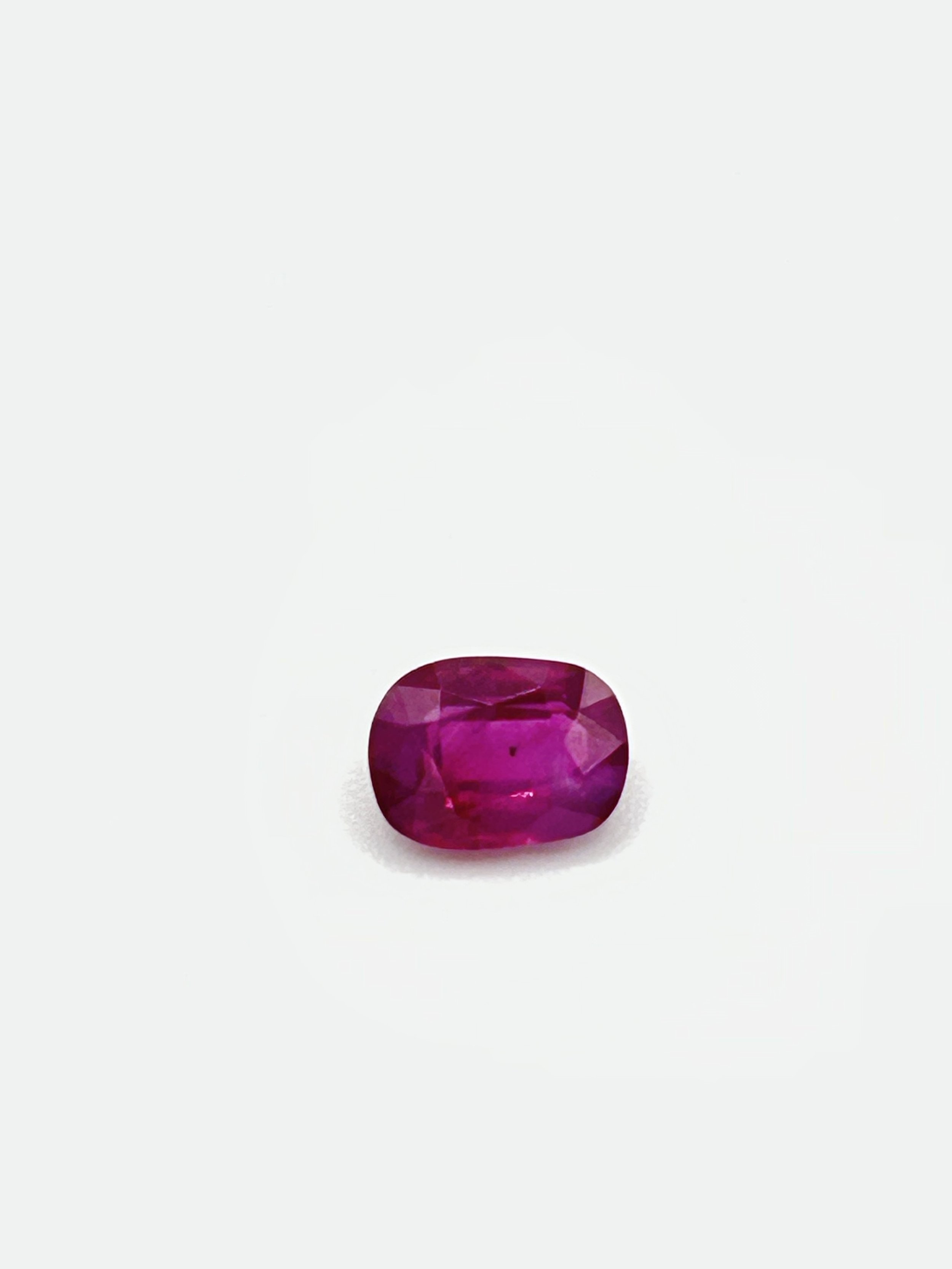
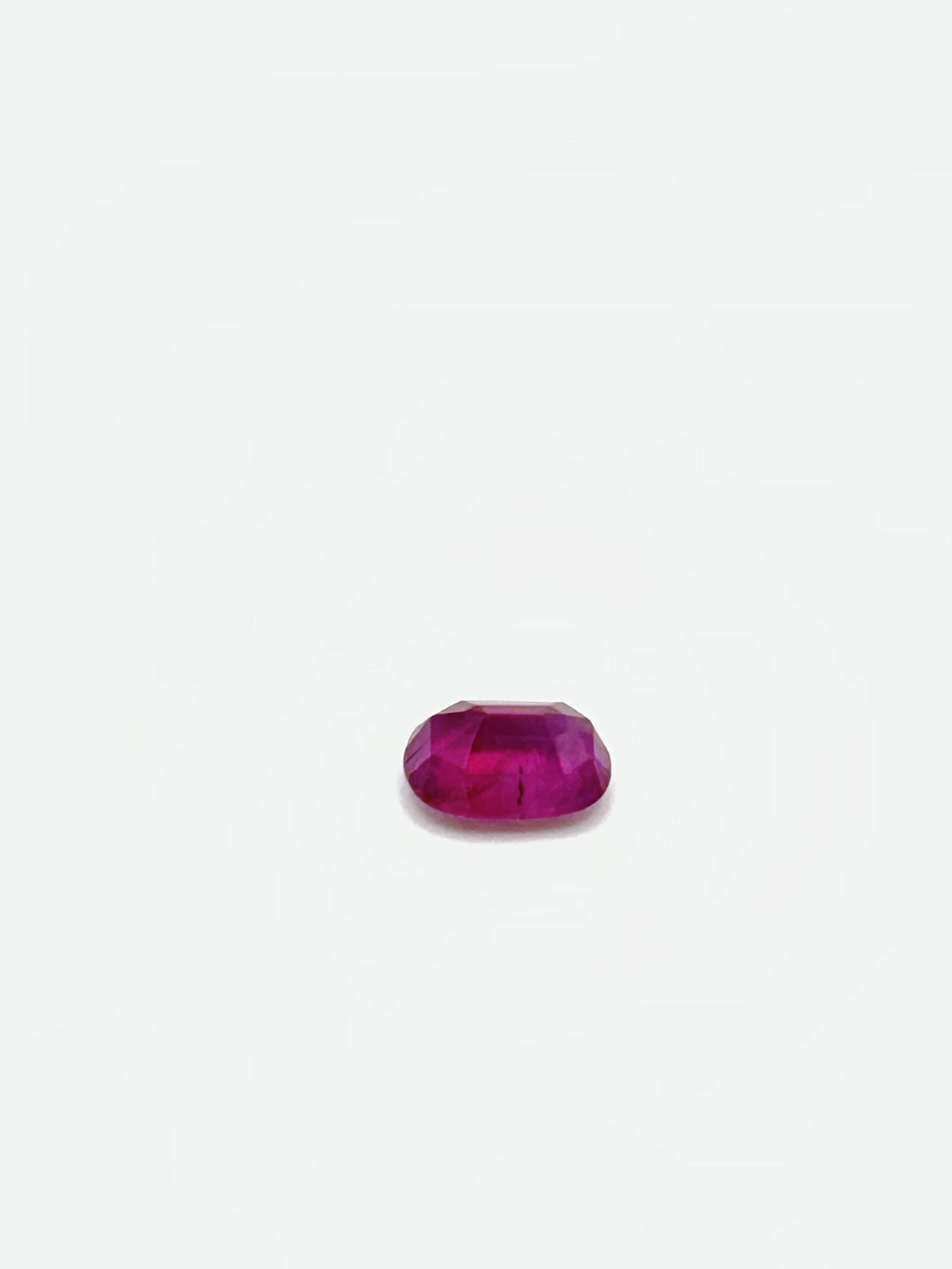
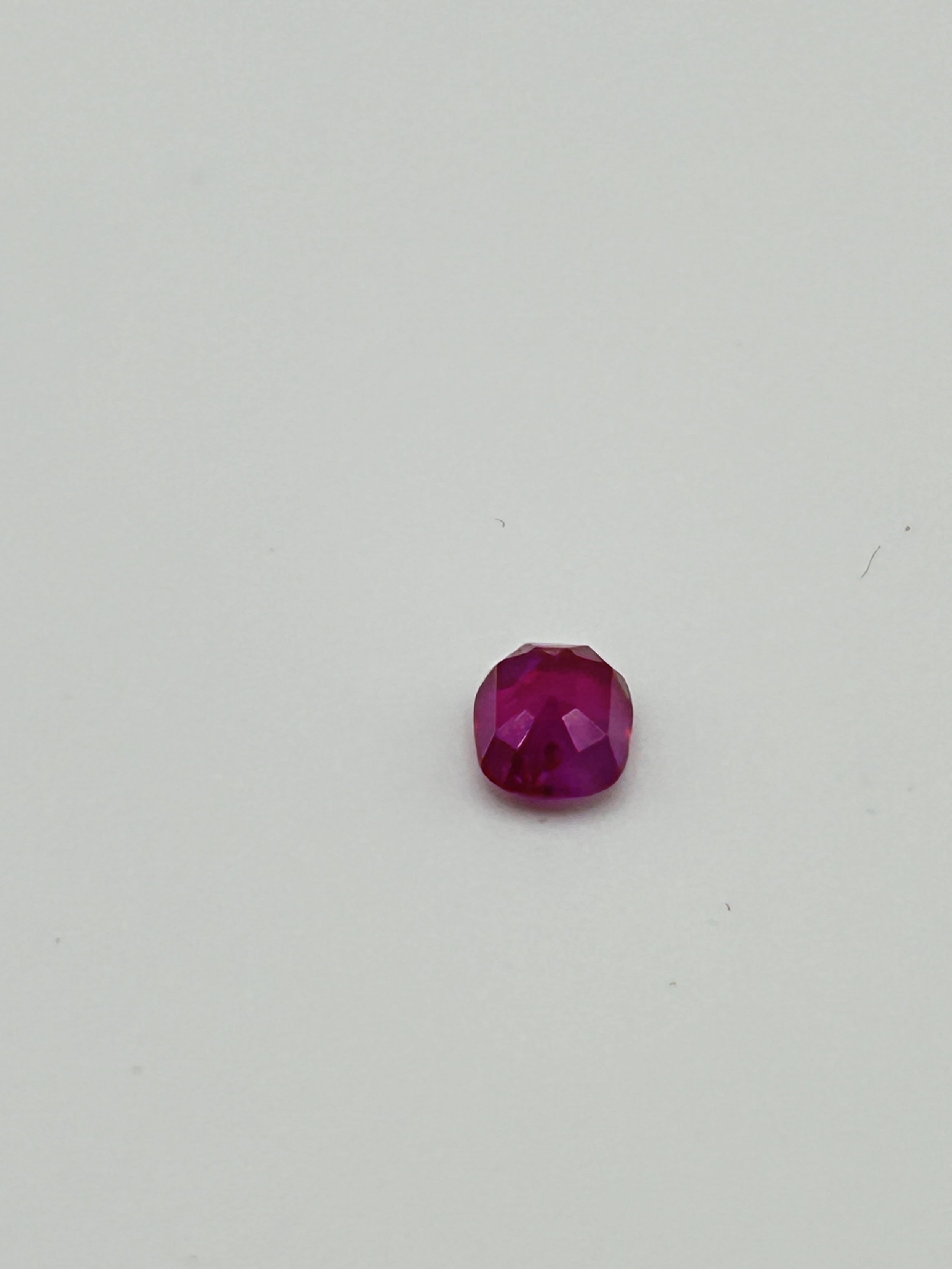
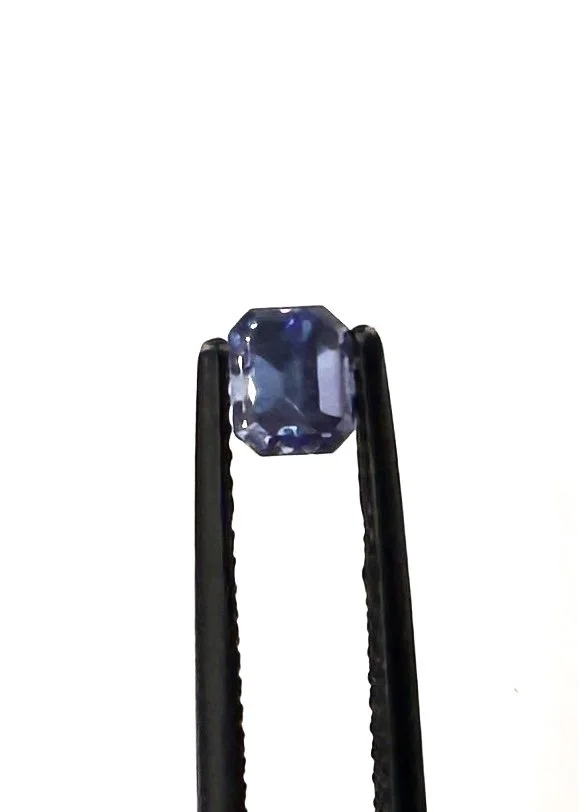
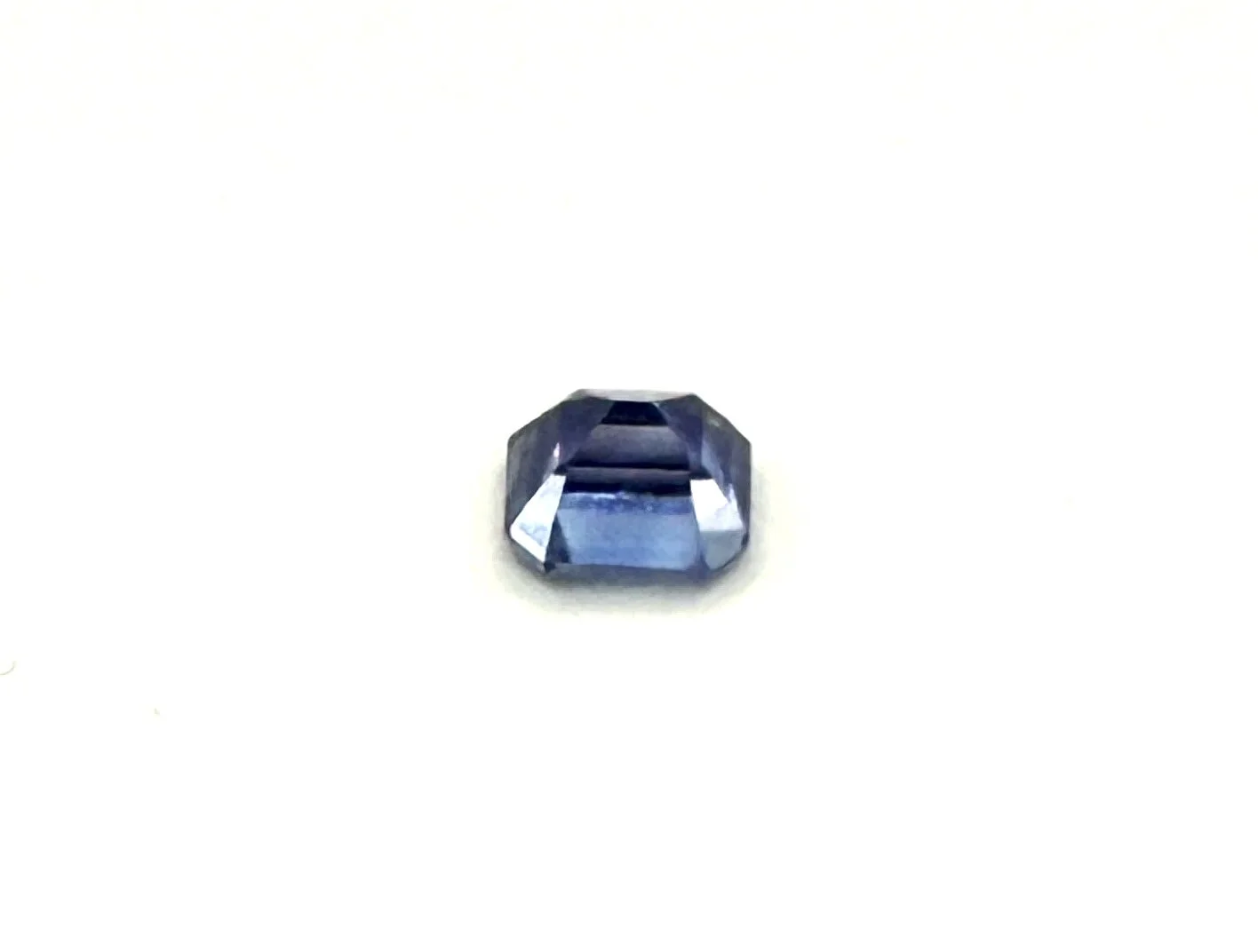
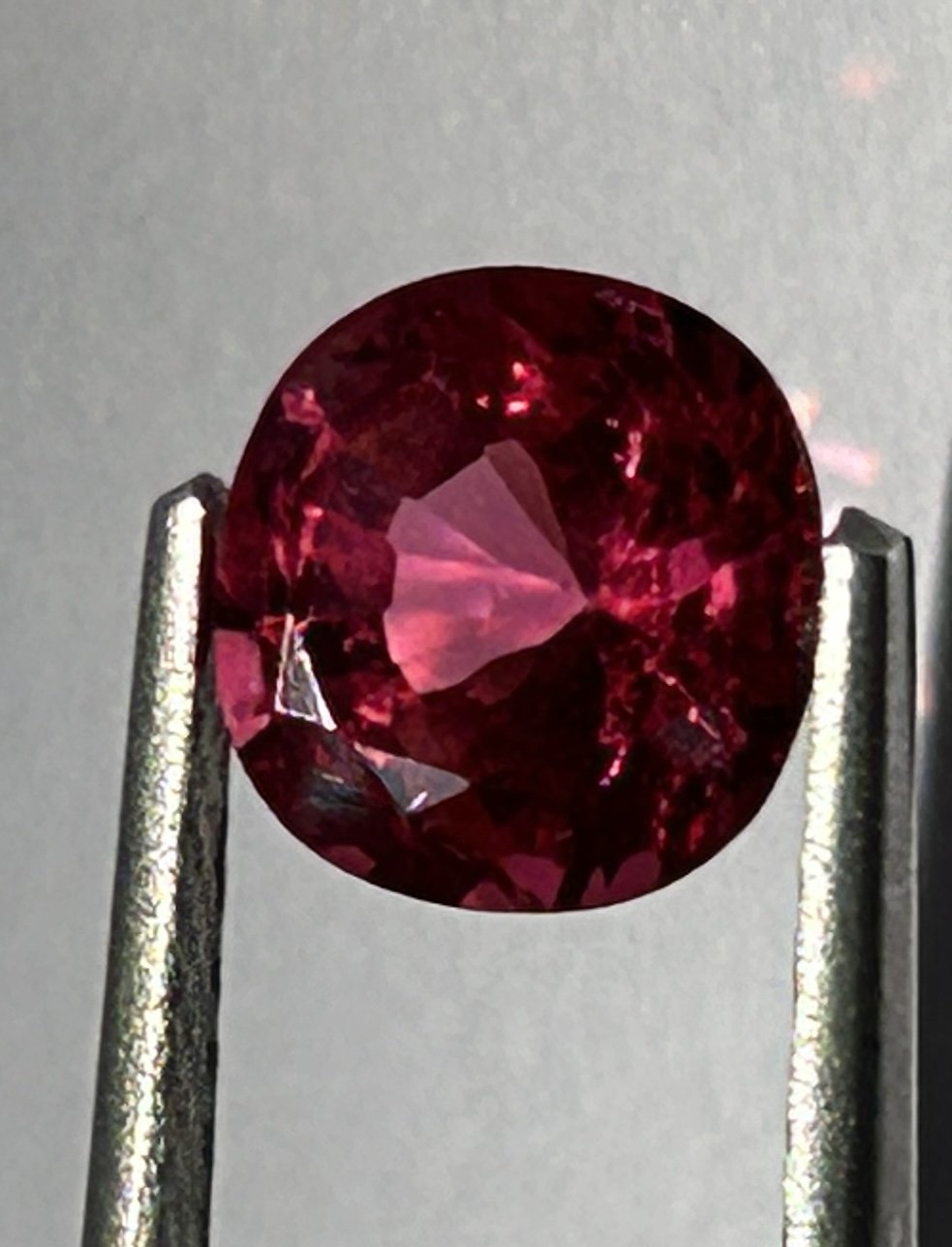
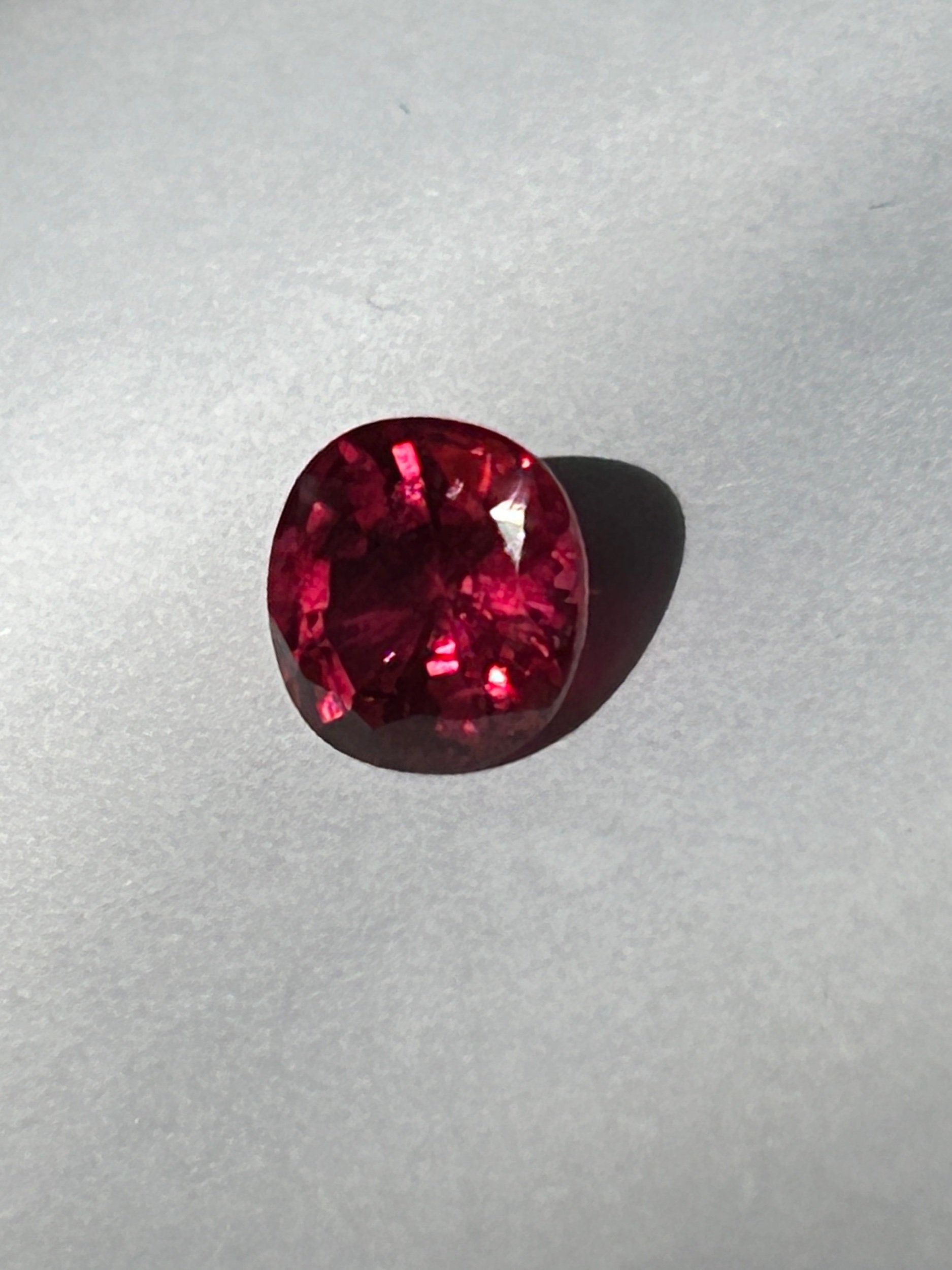
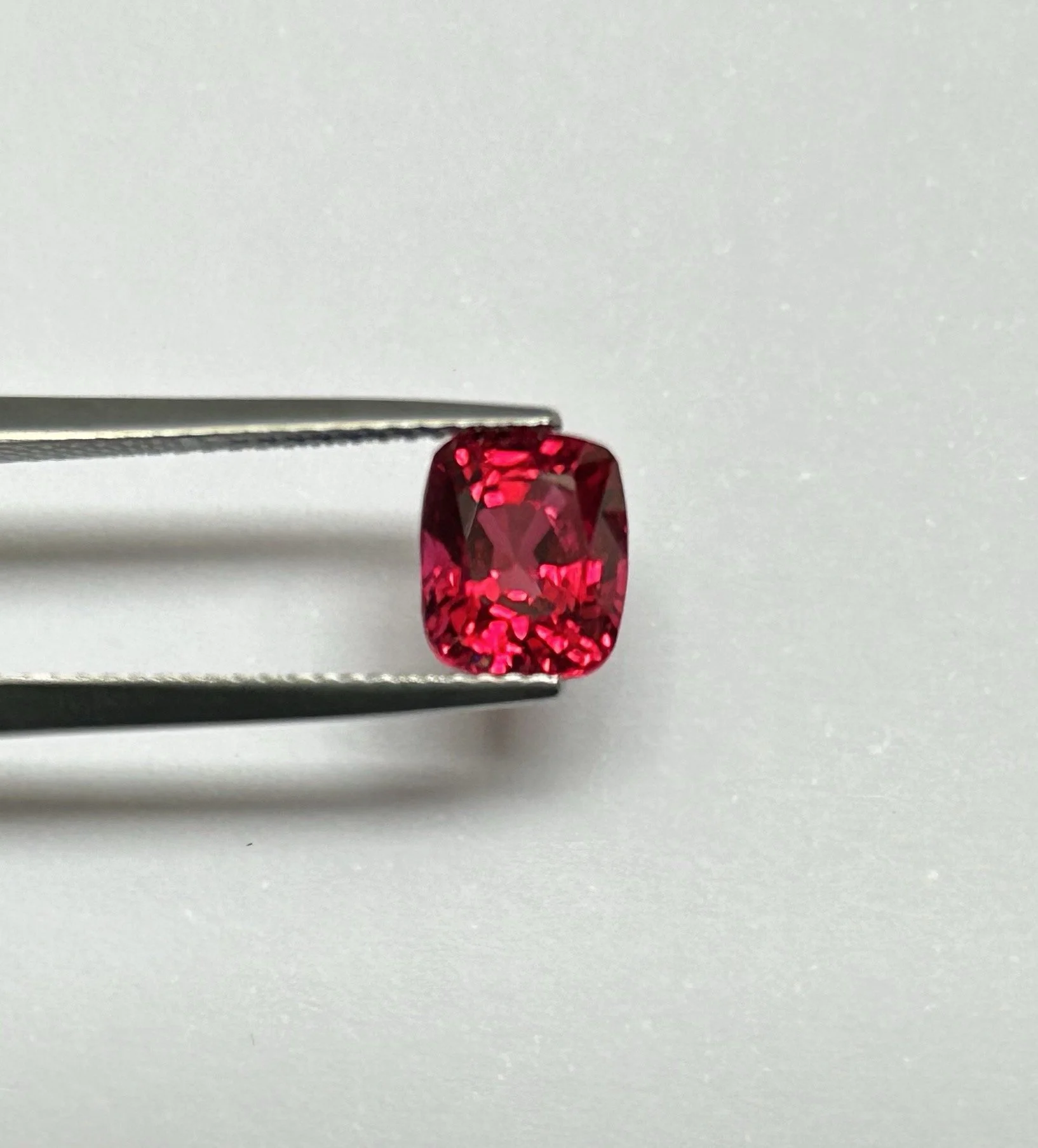
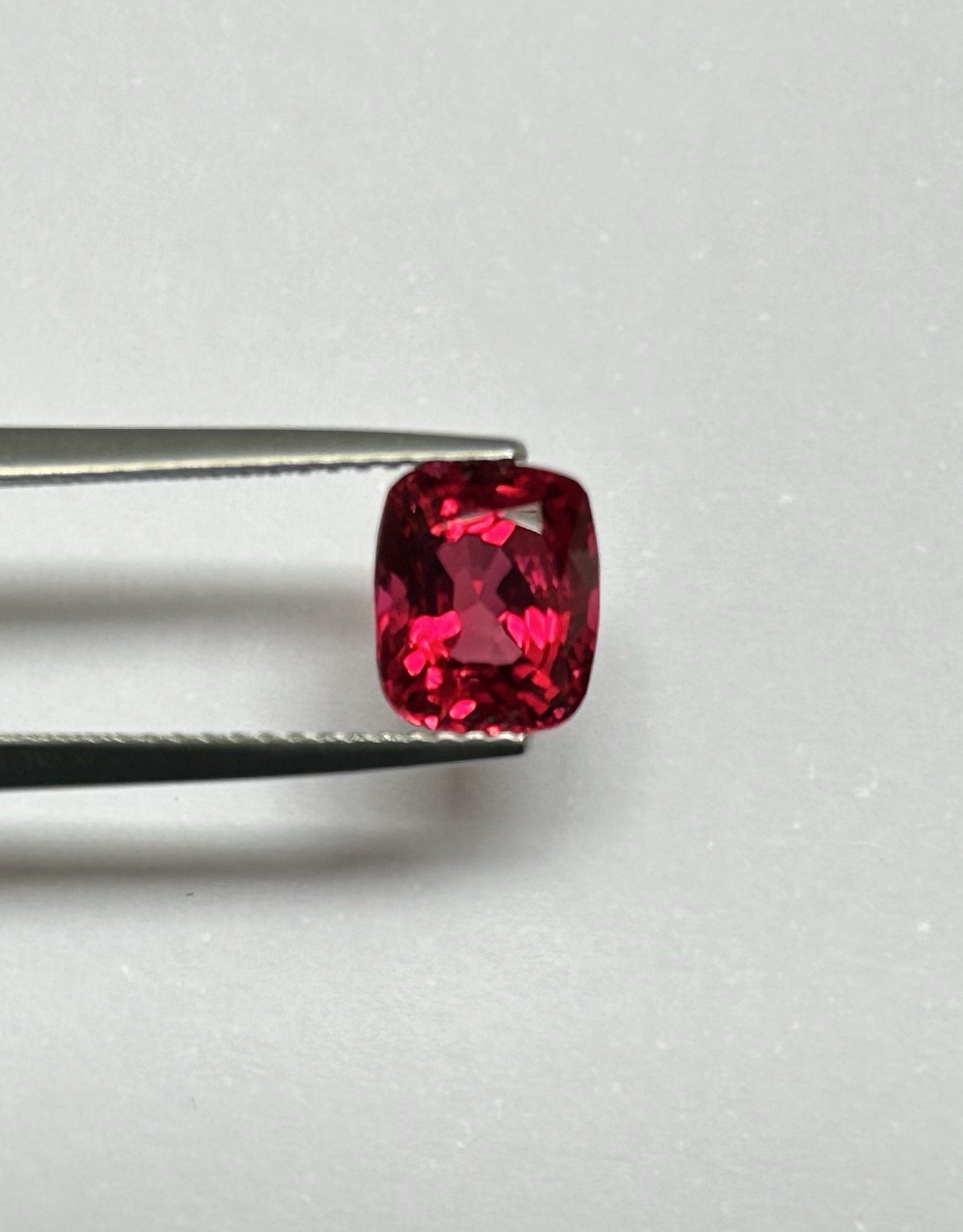
These are something special!
On the left: 1.23 carats, 6.70 × 5.69 × 3.70 mm, cushion mixed cut. Classic Mogok minor inclusions
On the right: 1.37 carats, 6.70 × 5.64 × 3.89 mm, cushion mixed cut, Classic Mogok minor inclusions.
• Authentic Mogok Burma origin, known for exceptional quality.
• No-heat treatment, natural beauty preserved.
• Comes with SSEF gem reports for guaranteed authenticity.
Eric says “The timeless elegance of authentic Mogok Burma rubies, renowned for their unparalleled ‘traffic light red’ colour and quality. This pair of no-heat rubies comes with SSEF gem reports, ensuring their rarity and authenticity. Their vibrant hue and historical prestige would make for a treasured jewel offering both elegance and value.”
Sold as a pair but can be split as two single lots (ask for individual prices).
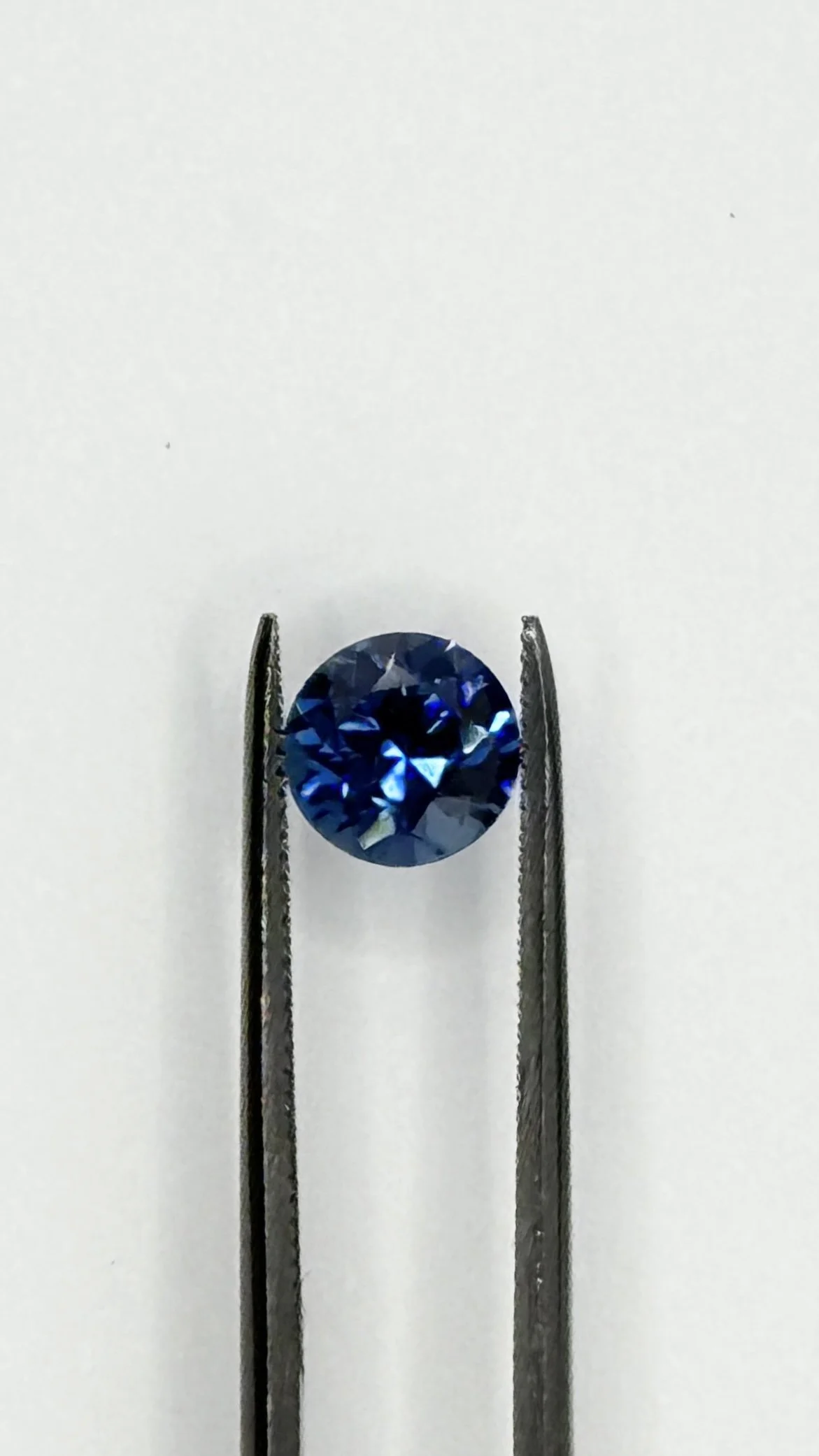
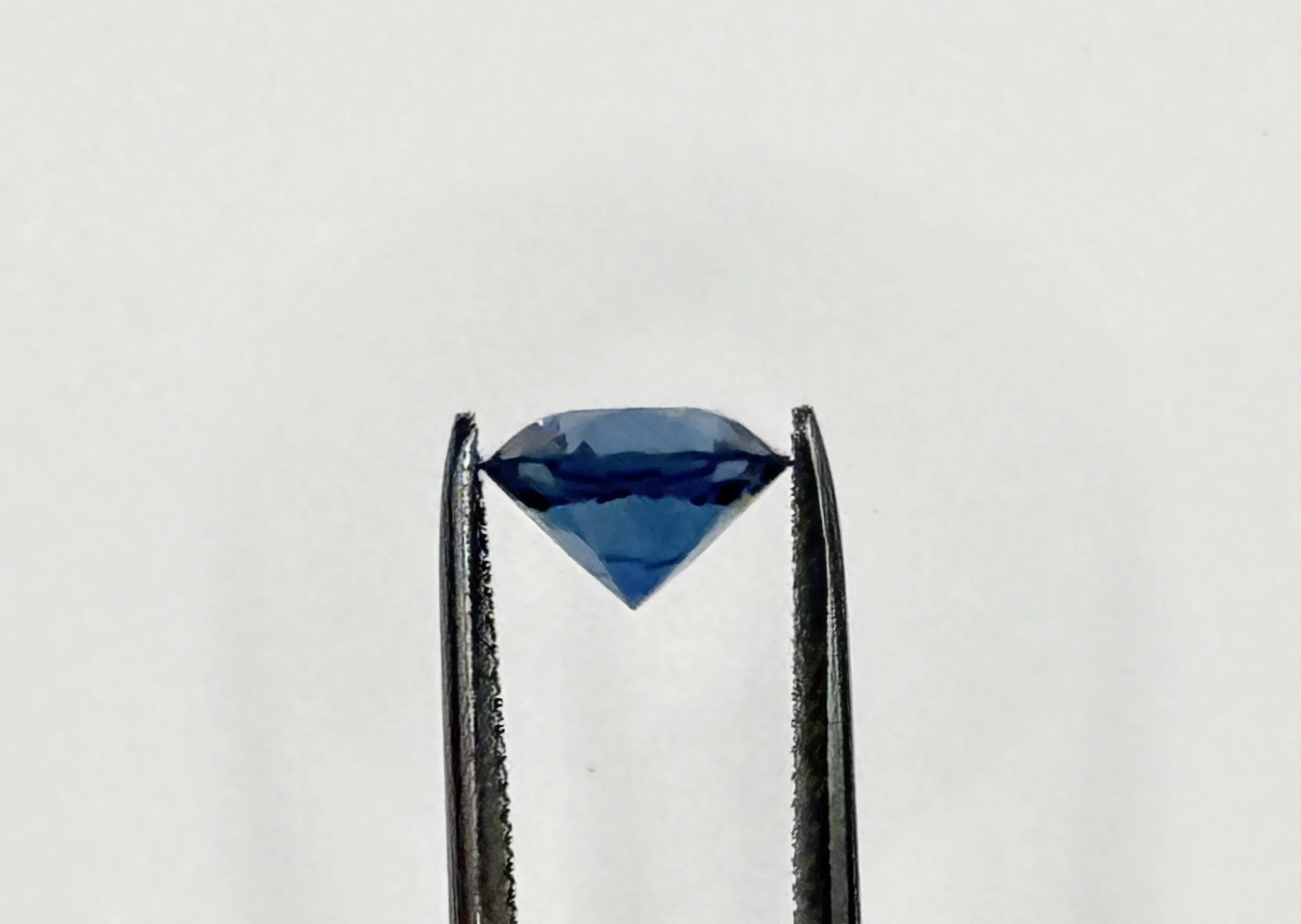
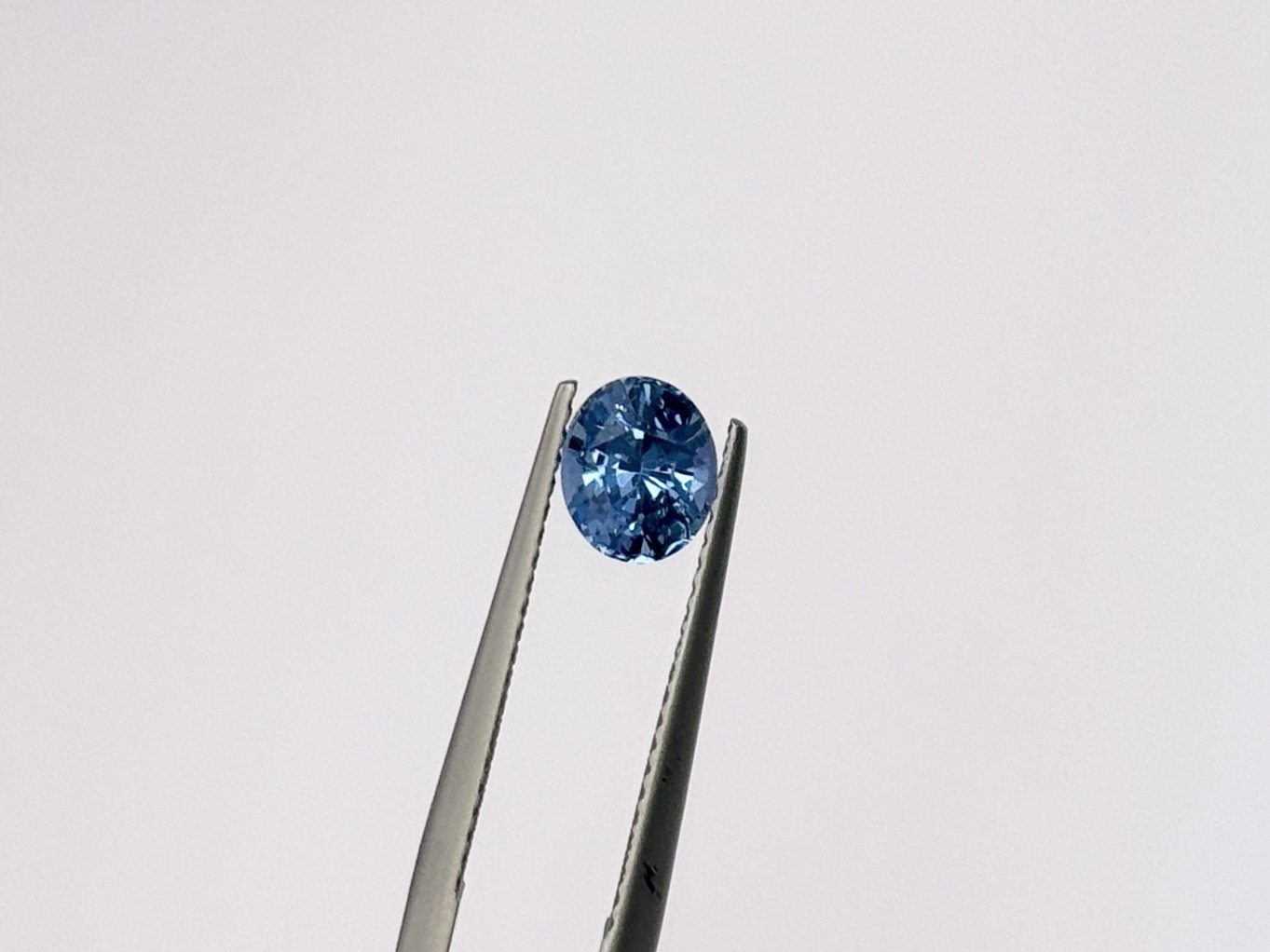
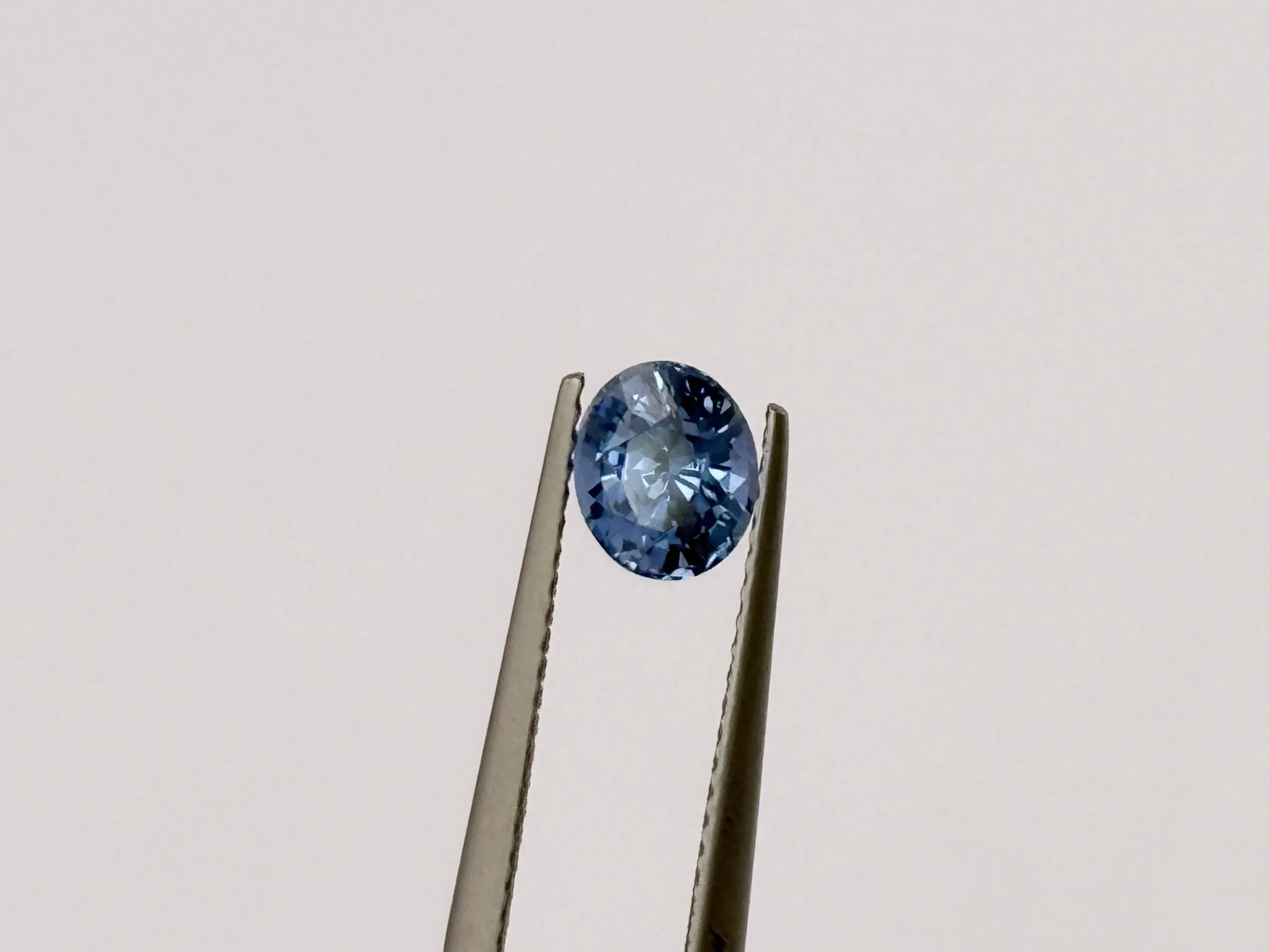
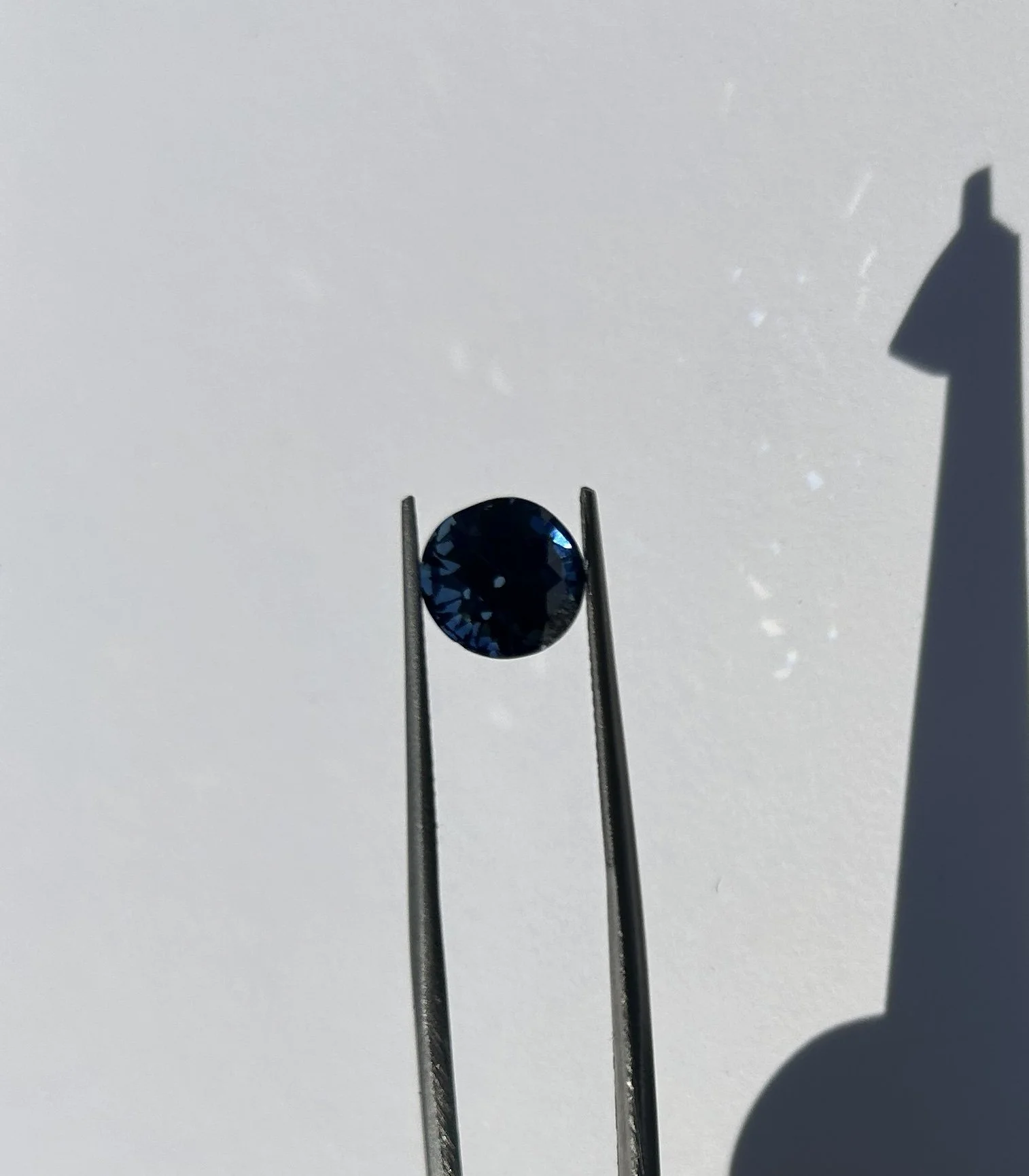
Eric says: “Sapphires mined in Montana, USA, fall into two categories, the more common ones extracted from along the banks of the Missouri River which need heat treatment to reveal their bright colours, known as ‘Montana Sapphires’, and the rarer sapphires from the Yogo Gulch in Montana that need no heat treatment to reveal their vivid blue colour and are called ‘Yogo Sapphires’.
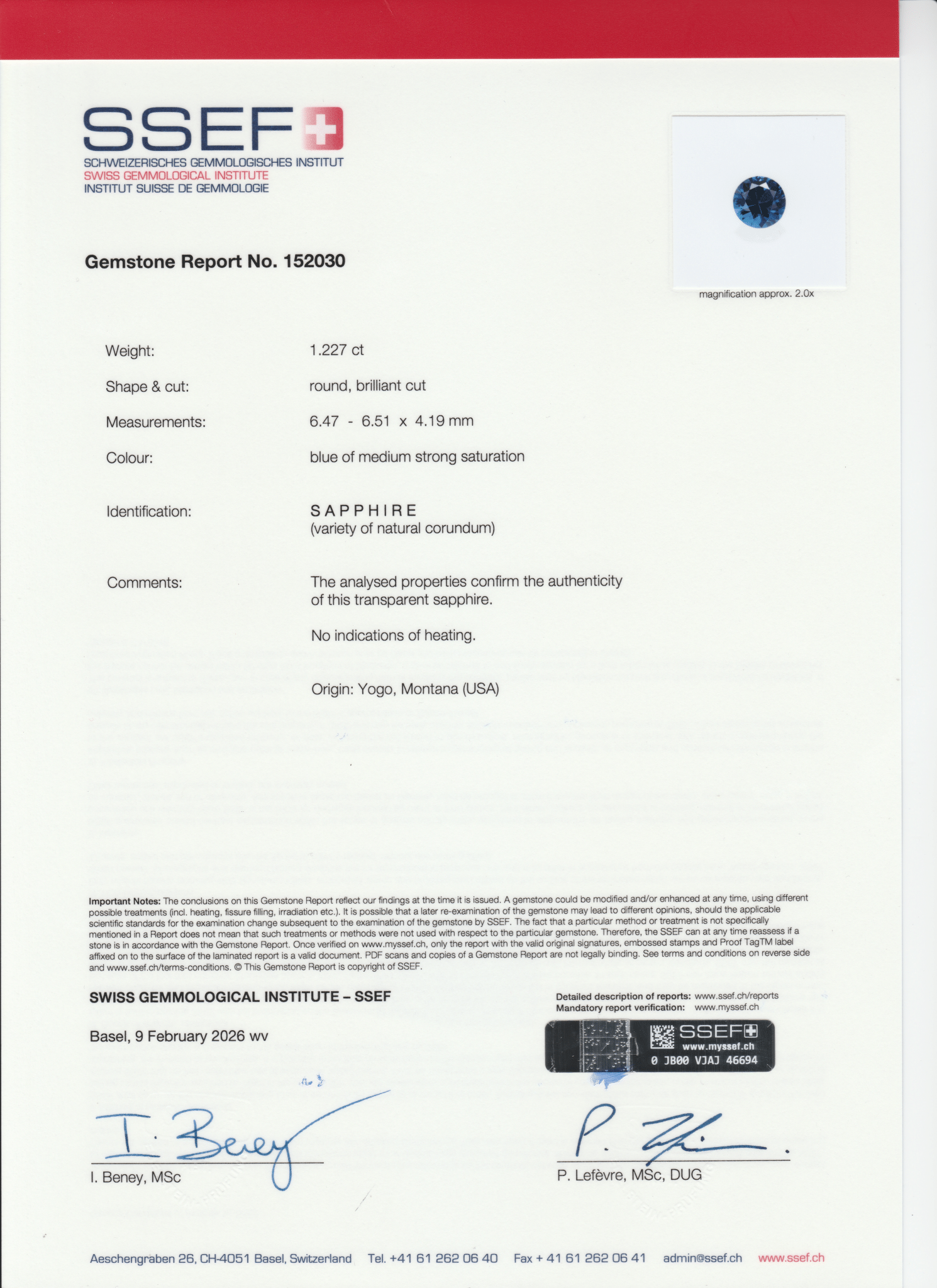
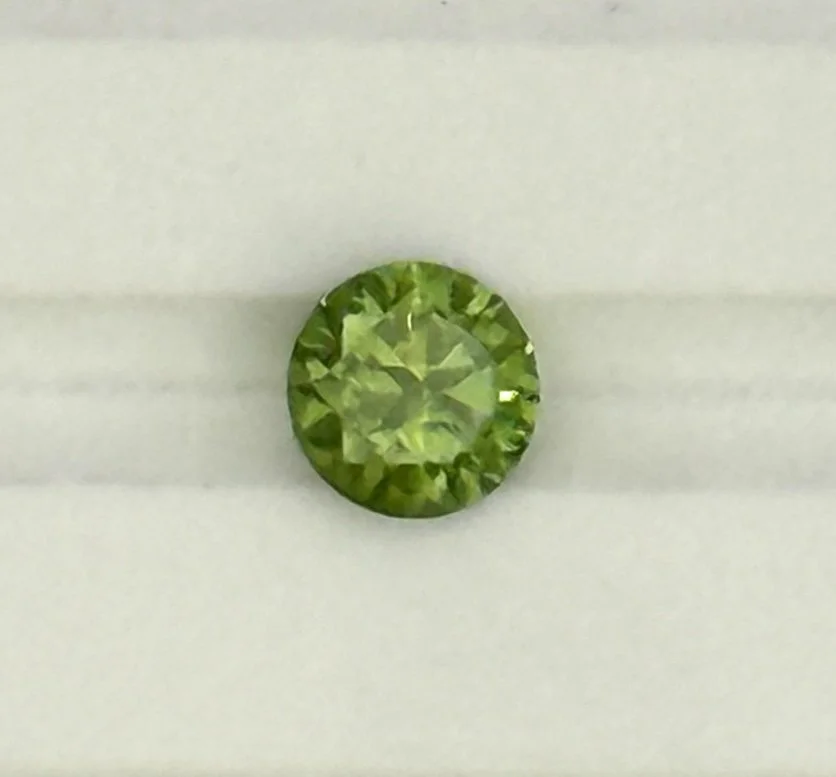
This gem is a superb example of the rarer Yogo sapphire, mined at the Yogo Gulch and faceted many years ago; the blue is of medium strong saturation with medium tone, evenly distributed through the gem, without any detracting secondary colours present. The clarity is eye-clean, as shown in the images”.
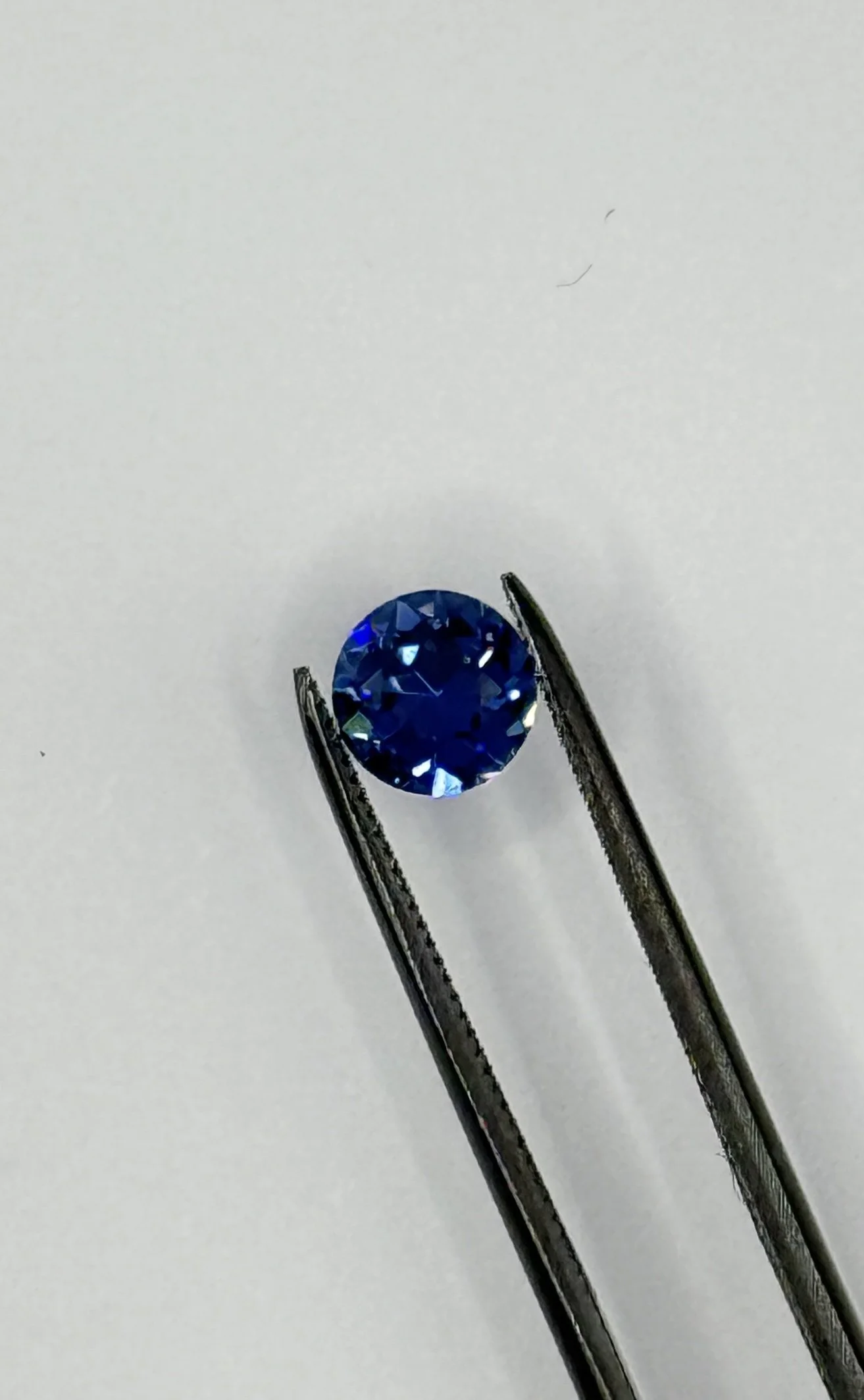
1.22 carats, round brilliant cut, measuring 6.45mm diameter, 4.20mm in depth, not treated in any way.
Accompanied by an SSEF Gem Report 152030. 9 Feb 2026. See the scan stating “No indications of heating. Origin: Yogo, Montana (USA)”
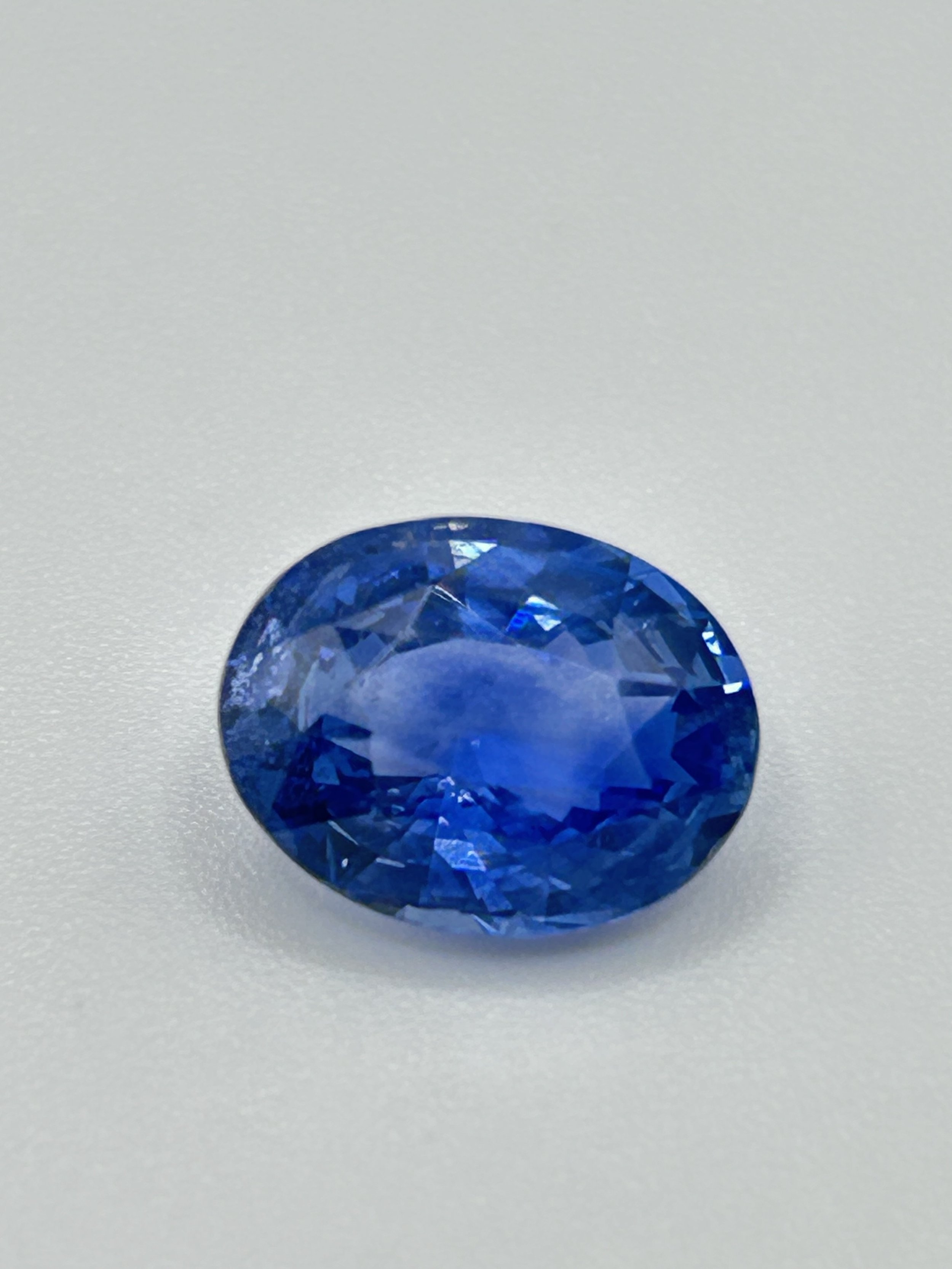
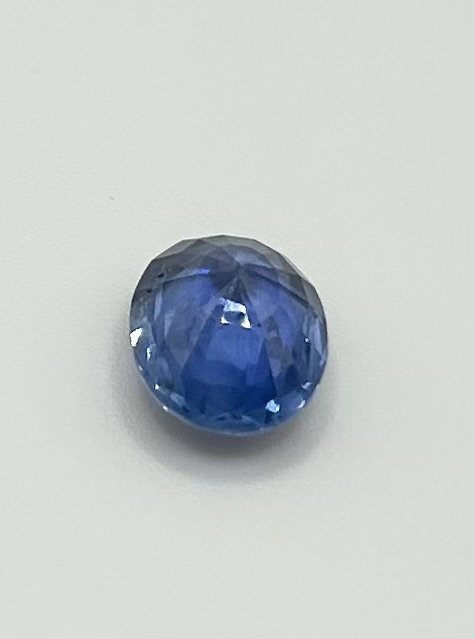
A loose unheated Sri Lanka sapphire of vivid colour and high saturation with superb transparency. Oval mixed cut, weighing 2.17 carats, measuring 8.60 × 6.16 × 4.62 mm. Not heated or enhanced in any way.
Accompanied by Bellerophon gem laboratory report number C00836 13 Aug 2025. Click here to see the report.
Eric says: “A gorgeous example of a sapphire from Sri Lanka, the fabled land of gems and an historic source of superb sapphires. As you can see it has a lovely distribution of blue colour throughout the gem and is included with delicate ‘silk’ and tiny crystals typically seen in Sri Lanka sapphires, none are visible to the unaided eye.”
Eric says:” This is a fine specimen of this rare precious stone variety. The attractive bright blue colour is due to the presence of cobalt atoms within the crystal makeup. I just love this variety and I had to purchase it when I saw it during my travels. The gem is well fashioned, having superb colour and brilliance”.
1.05 carats, oval mixed cut, measuring 6.37 × 5.33 × 4.34 mm. Accompanied by a Bellerophon, Paris gem report R-202246304, 2 Mar 2022, stating ‘No indications of any treatment’. Origin ‘Tanzania ~650 million years old’. Click here for report image,
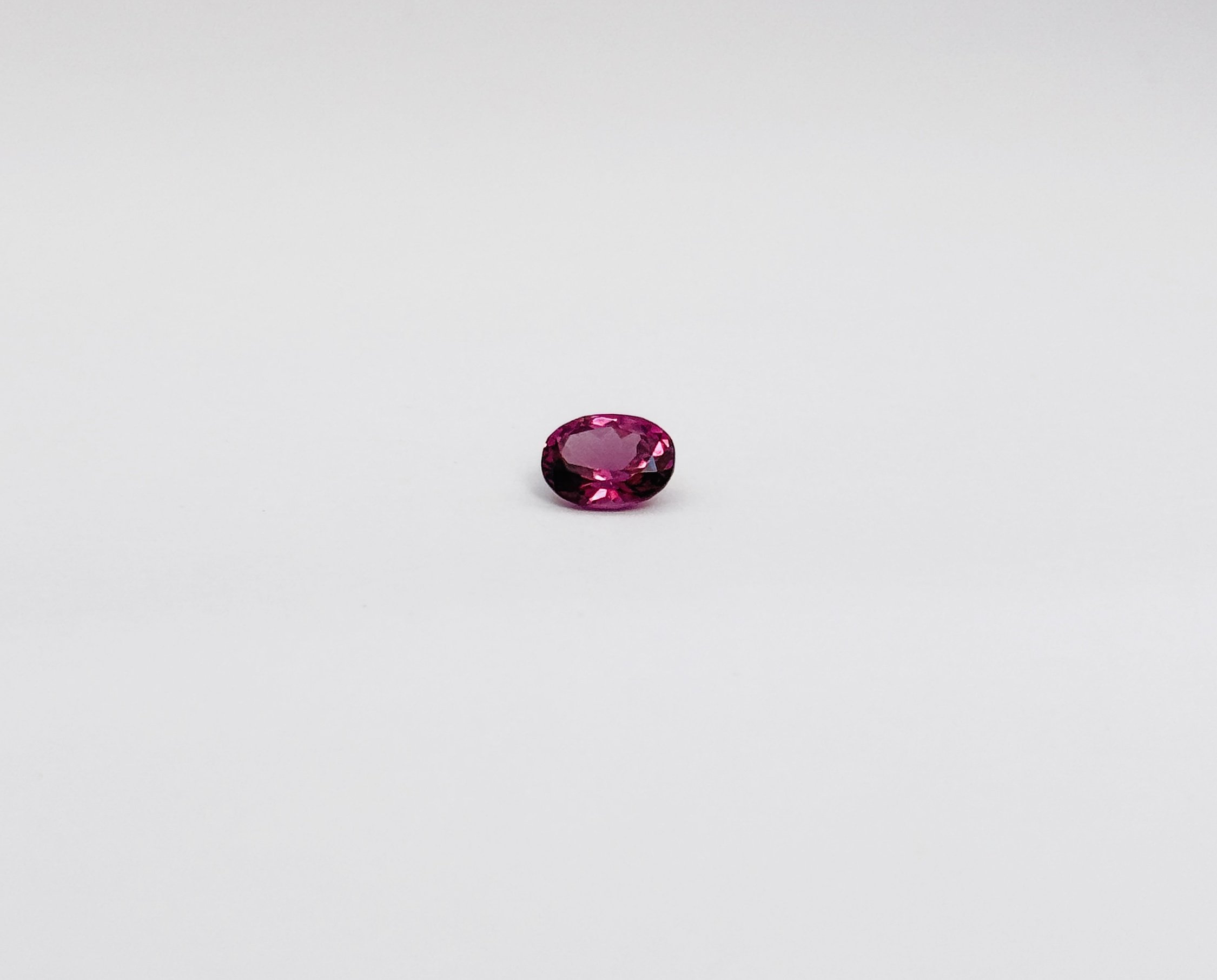
A fine red natural spinel, cushion mixed cut weighing 1.43 carats, measuring 8.1 × 6.1 × 3.6 mm. Burma origin, not treated.
I love the hue of this spinel, blood red with a hint of purple. Would make for a spectacular statement gem in an engagement as a three stone ring with a diamond either side or in a cluster with a halo of round brilliant cut diamonds. The design possibilities are only limited by your imagination!
Please note: There are no UK government sanctions on trading gems from Myanmar (Burma).
Eric says: “This gem is a true Padparadscha sapphire with delicate rose pink colour merging imperceptibly with a charming orange. My photo in full London daylight doesn’t do this gem justice. The pink and orange are best appreciated with your own naked eyes!”.
1.03 carats, 6.48 x 4.66 x 3.59 mm. Oval mixed cut. Unheated Sri Lanka gem with gem report (read the report here).
The padparadscha sapphire would look lovely complimented by diamond accents in a jewel.
Eric says: “I commissioned this diamond ring from a leading London based jewellery maker-designer. It helped that she was a student of one of my past diamond courses! I love the subtle contemporary setting and the gentle rounded profile of the shank makes for a timeless jewel. Hand made, of course, not a cast mount”.
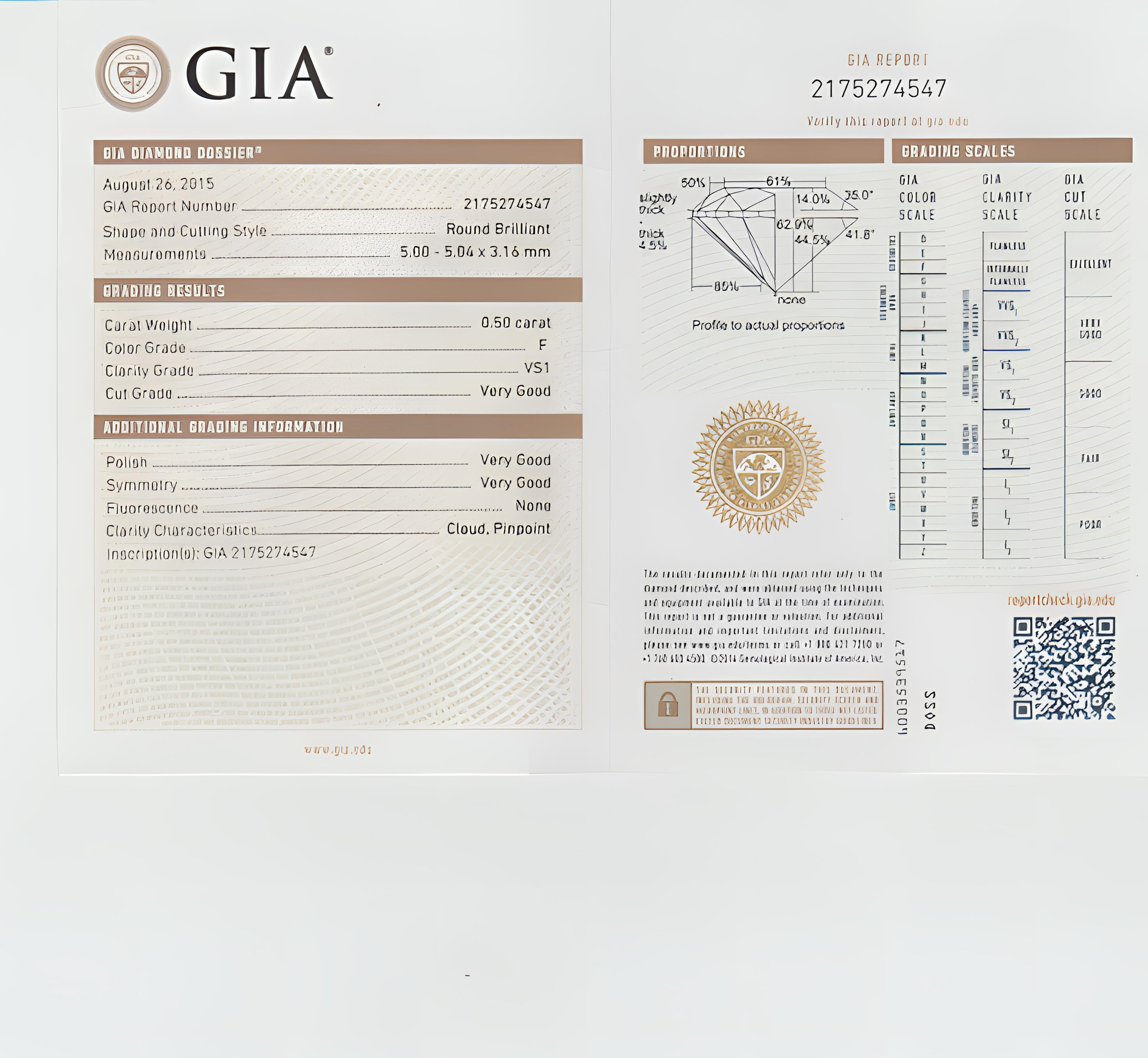
The 0.50 ct carat round brilliant, F colour, VS1 clarity of very good cut is mounted in an elegant four-prong platinum setting. Can be mounted in 18ct white gold, 18ct yellow gold or 18ct rose gold.
The natural diamond graded by GIA, Report GIA 2175274547, see scan.
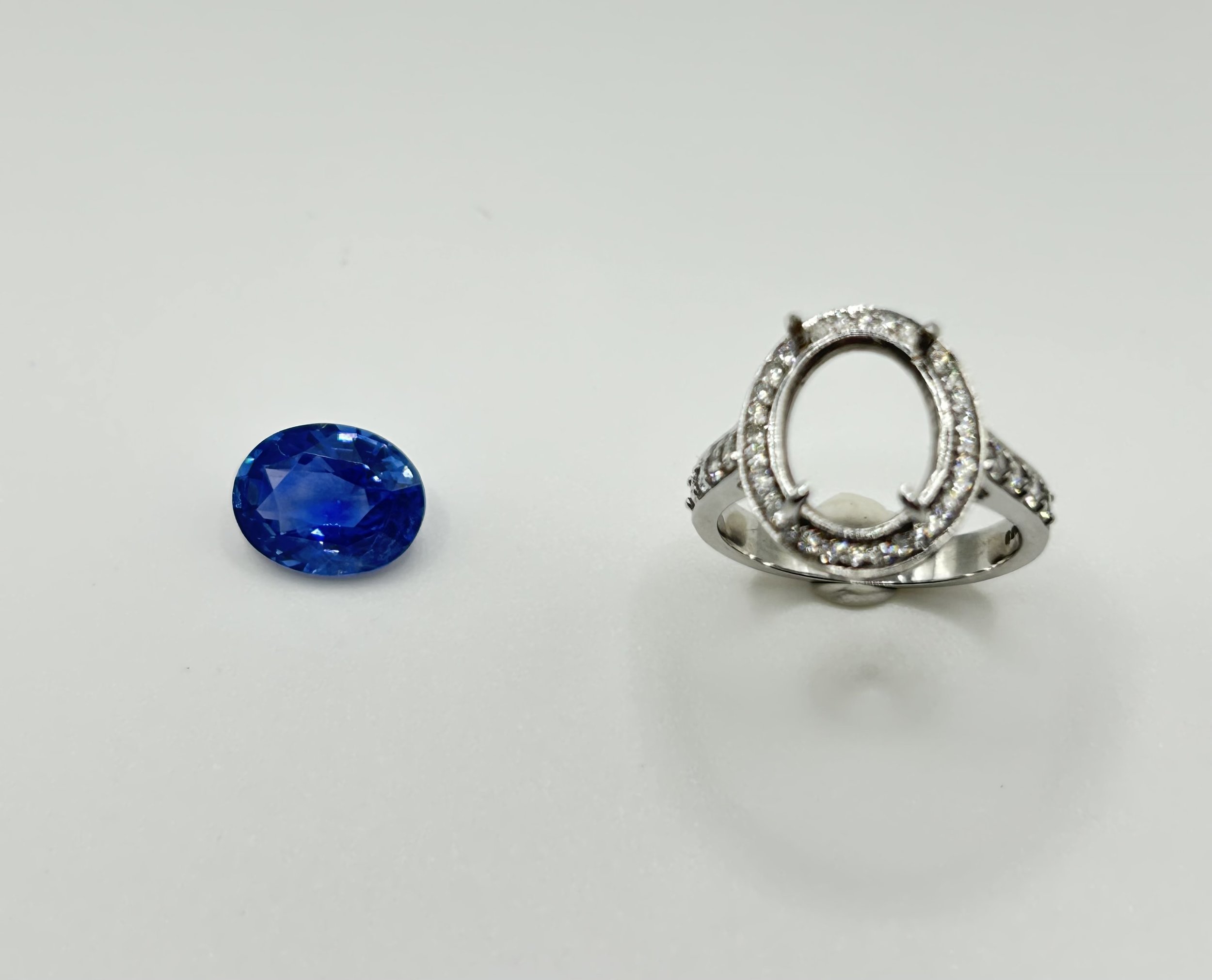
A loose unheated Sri Lanka sapphire of lovely colour and good transparency. Oval mixed cut, weighing 5.27 carats, measuring 11.82 × 9.12 × 6.00 mm. Not heated or enhanced in any way.
Accompanied by GRS gem laboratory report GCS 79235-74 dated 14 Oct 2019 (see here)
Eric says: “I love this charming example of a sapphire from Sri Lanka, the land of gems and an historic source of fine sapphires. There is a lovely distribution of blue colour throughout the gem and is included with microscopic silk and crystals typically seen in Sri Lanka sapphires, none are visible to the unaided eye. Most sapphires are heated to improve apparent colour and clarity. This fine gem doesn’t need such enhancement”.
Can be bought loose as the price quoted or with a diamond set ring at an additional price. Please contact me for further details.
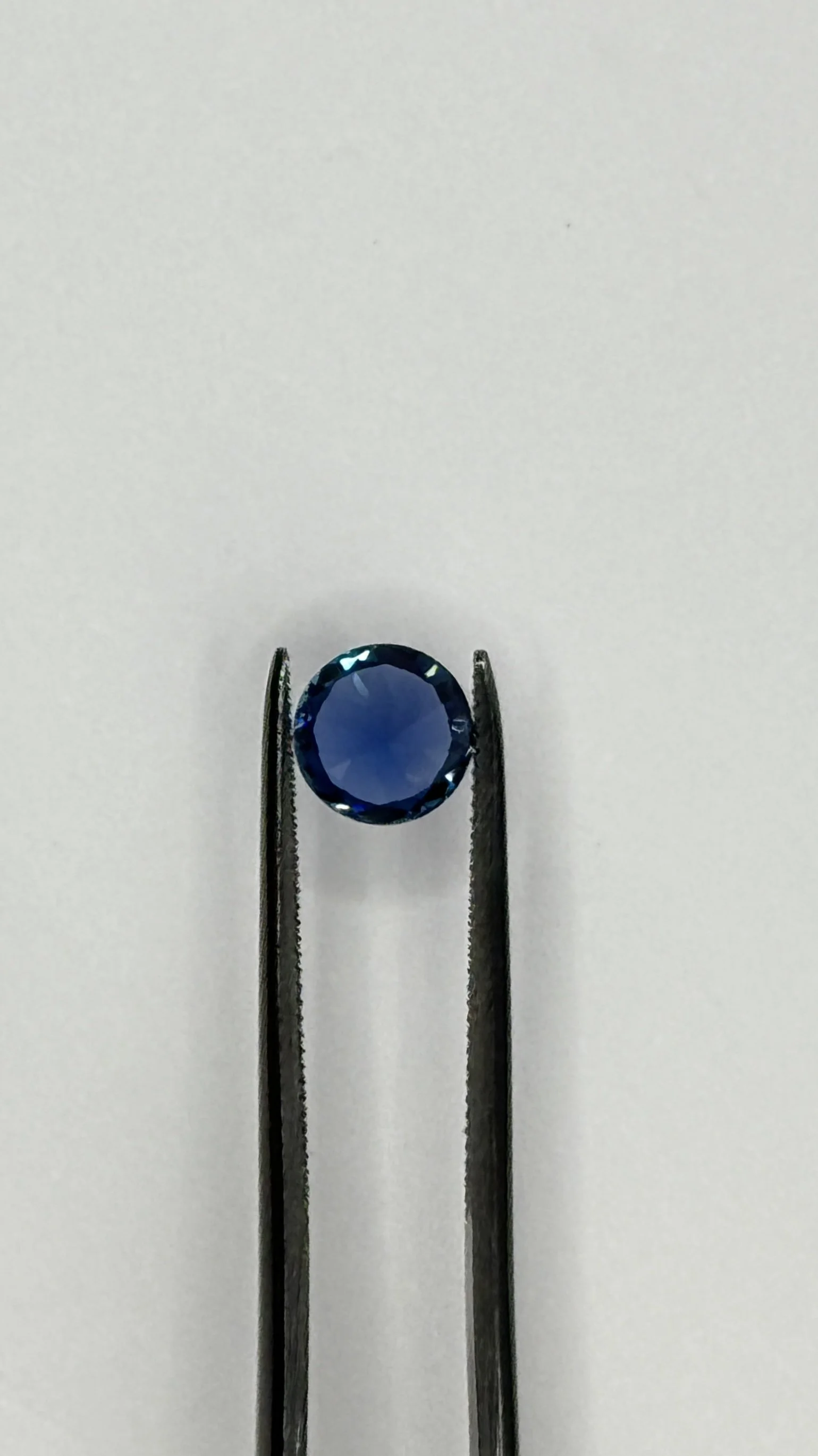
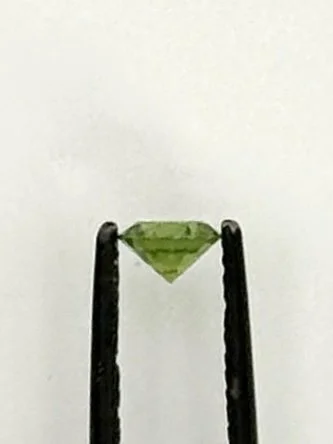
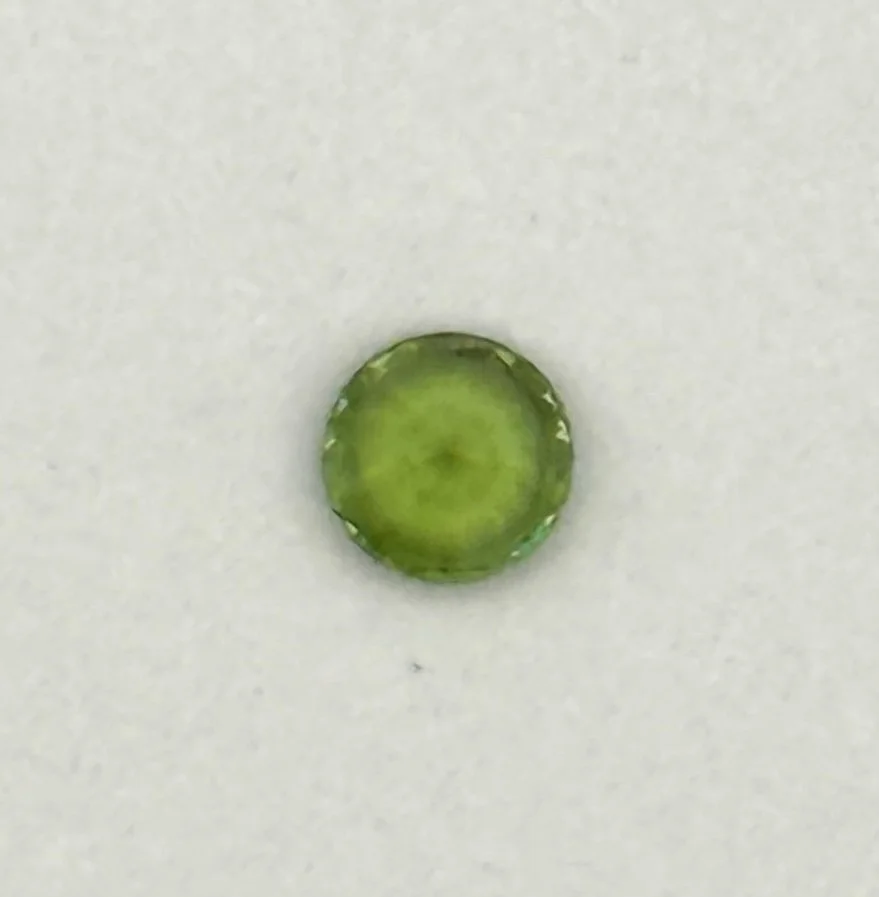
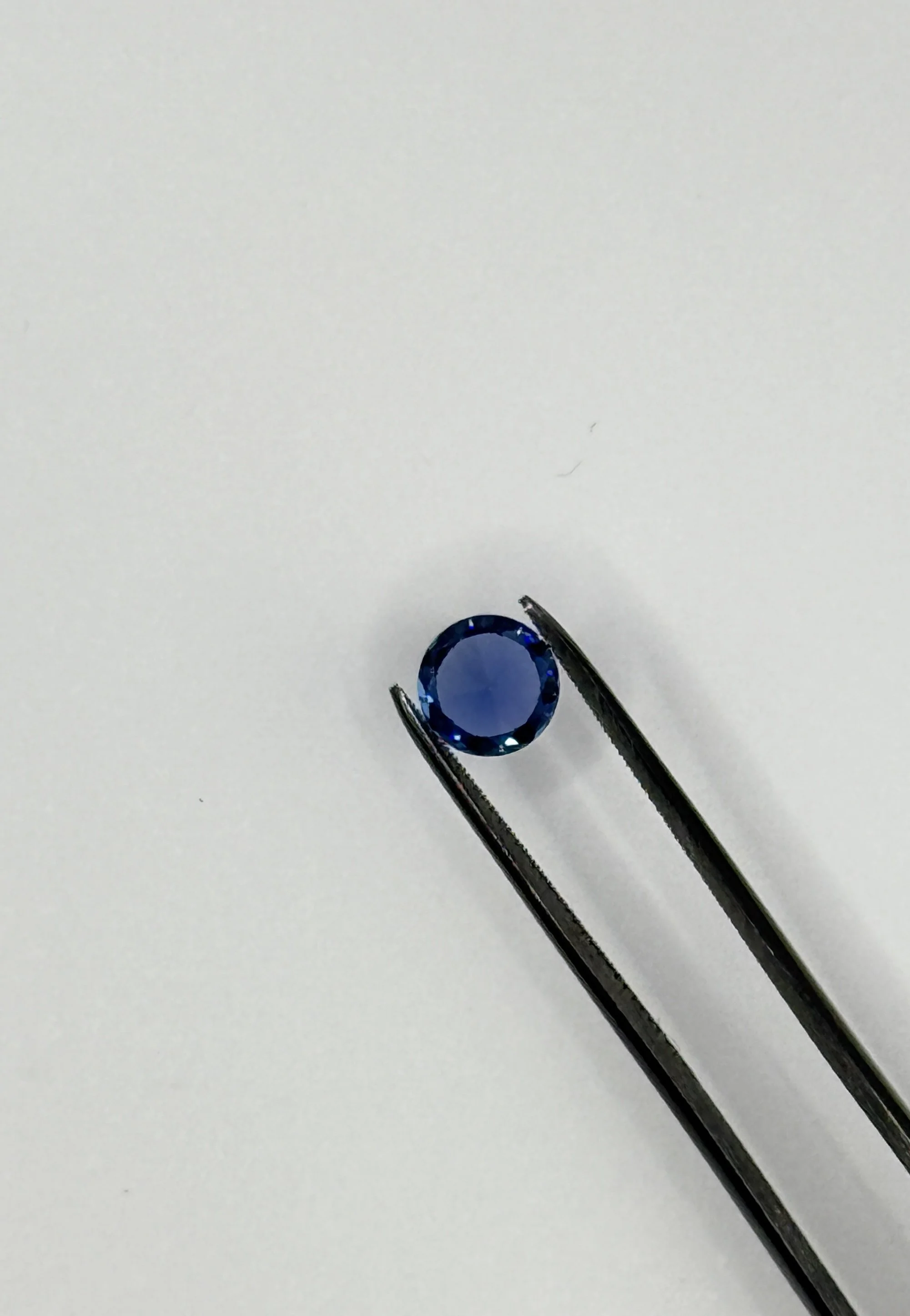
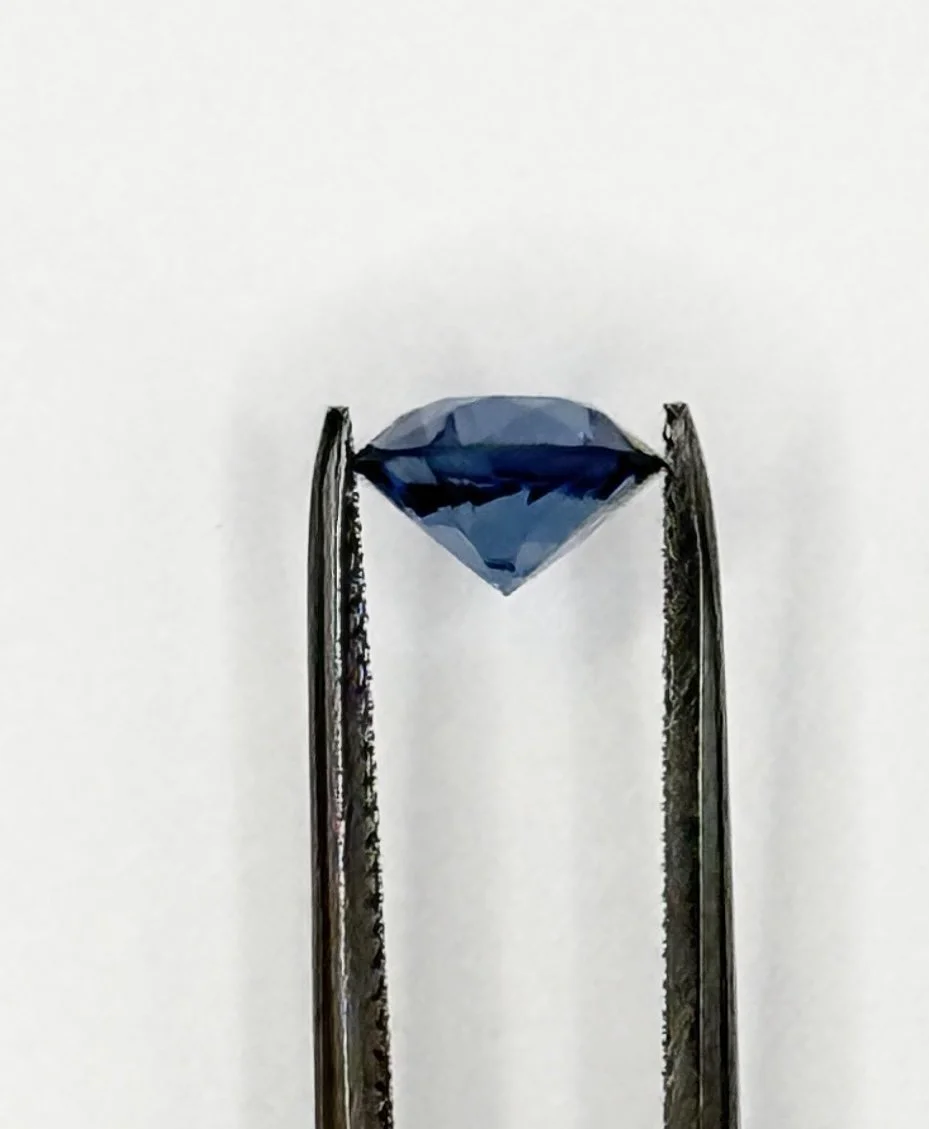
Eric says: “This gem is a fine example of the rarer Yogo sapphire, mined at the Yogo Gulch and faceted many years ago; the blue is of medium strong saturation anf medium tone, evenly distributed through the gem, without any detracting secondary colours present. The clarity is eye-clean, as shown in the images.
Sapphires mined in Montana, USA, fall into two categories; the more common ones extracted from along the banks of the Missouri River which need heat treatment to reveal their bright colours, known as ‘Montana Sapphires’, and the rarer sapphires from the Yogo Gulch in Montana that need no heat treatment to reveal their vivid blue colour and are called ‘Yogo Sapphires’”.
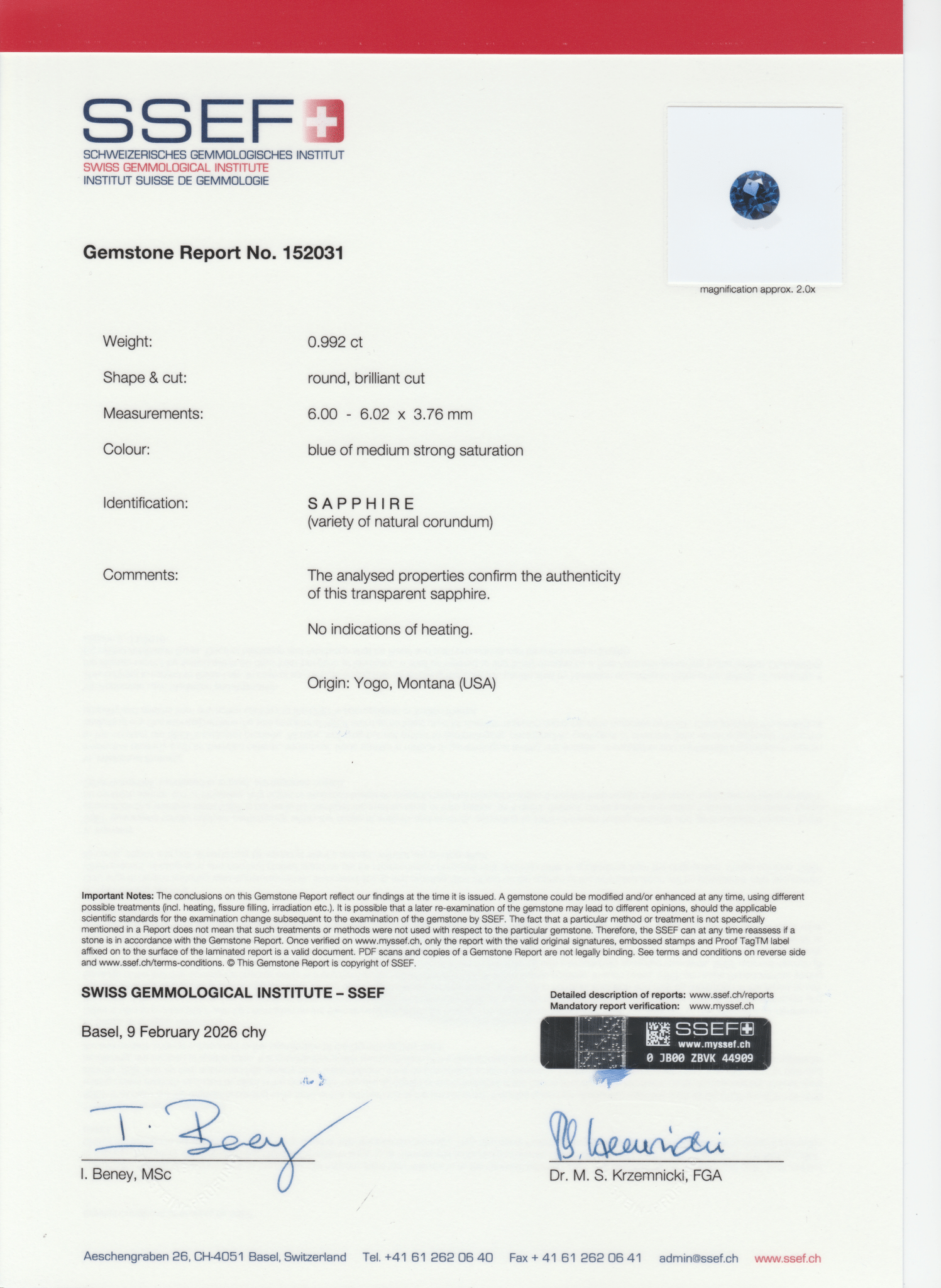
0.99 carats, round brilliant cut, measuring 6.0mm diameter, 3.7mm in depth, not treated in any way.
Accompanied by an SSEF Gem Report 152031, 9 Feb 2026. See the scan stating “No indications of heating. Origin: Yogo, Montana (USA)”
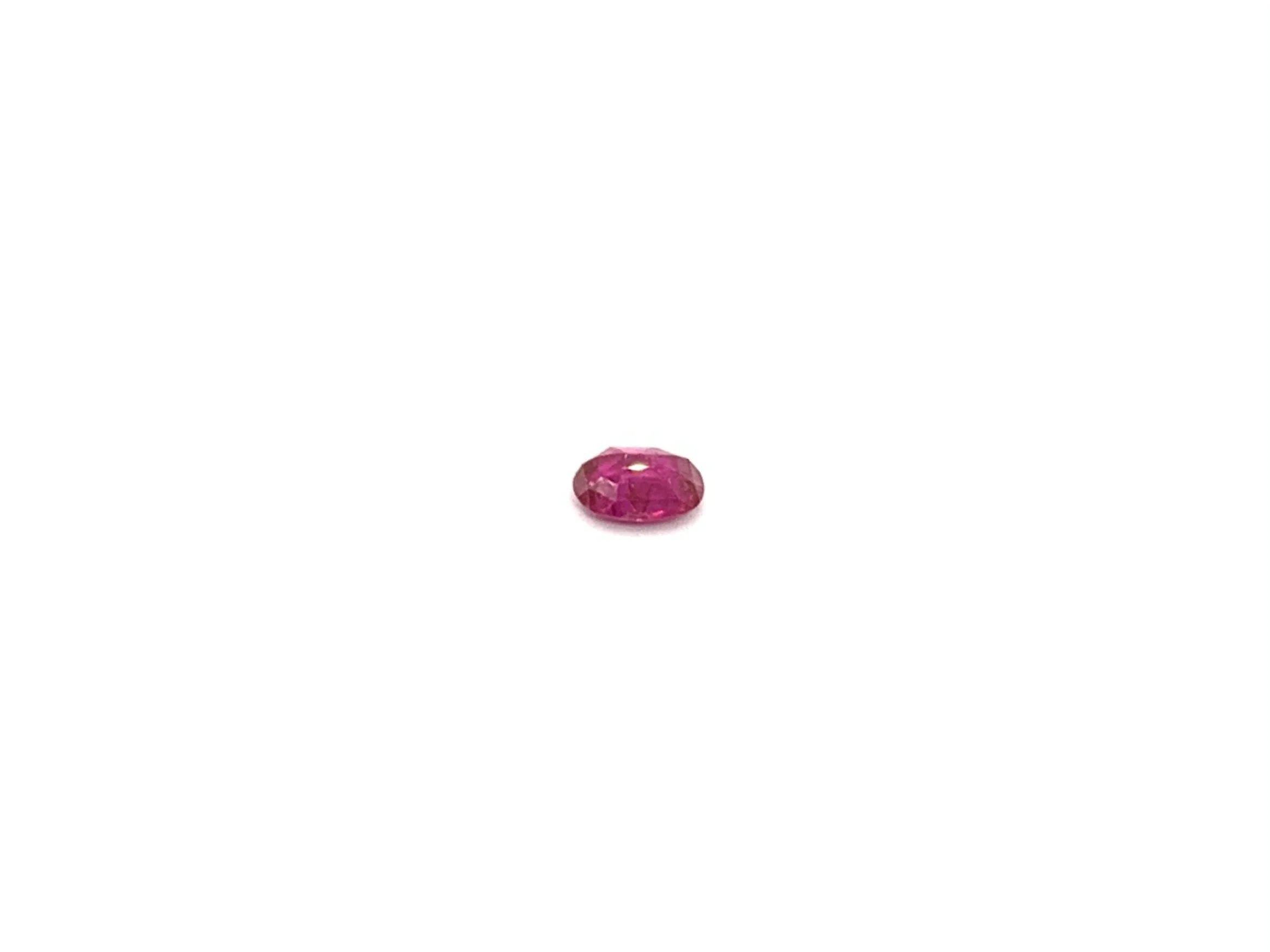
A lovely example of an unheated (no heat) ruby from Mogok, Burma. If you are looking for a flawless ruby (spoiler - they do not exist) this one is not for you as its inclusions are typical of this desirable location. Its bright red coloration I find difficult to capture with my iPhone camera.
1.37 carats, cushion mixed cut, 7.39 × 5.50 × 3.41 mm.
Accompanied by GCS gem report.
Note the outline and proportions of the gem indicate it was cut and polished decades ago.
For sale loose or with diamond cluster ring shown.
Best viewed in person: DM if you want to know details.
Please note: There are no UK government sanctions on trading gems from Myanmar (Burma).
A loose unheated Sri Lanka sapphire of delightful colour and saturation with fine transparency. Oval mixed cut, weighing 1.87 carats, measuring 7.26 × 6.06 × 4.97 mm. Not heated or enhanced in any way.
Accompanied by Bellerophon gem laboratory report number C00882, 25 Aug 2025
Eric says: “A superb example of a fine sapphire from Sri Lanka, the land of gems and an historic source of fine sapphires. As you can see it has a lovely distribution of blue colour throughout the gem and is included with delicate ‘silk’ and tiny crystals typically seen in Sri Lanka sapphires, none are visible to the unaided eye.
A lovely example of an unheated (no heat) ruby from Mogok, Burma. If you are looking for a flawless ruby (spoiler - they do not exist) this one is not for you as its inclusions are typical of this desirable location. Taken from an antique ring, evidence the gem is from old mine production. Its bright red coloration I find difficult to capture with my iPhone camera. The ruby really needs to be seen to appreciate its beauty.
0.79 carats, cushion mixed cut, 6.2 × 5.1 × 2.8 mm
Accompanied by GPL gem report when set.
Note the outline and proportions of the gem indicate it was cut and polished decades ago.
Best viewed in person: DM if you want to know details.
Please note: There are no UK government sanctions on trading gems from Myanmar (Burma).
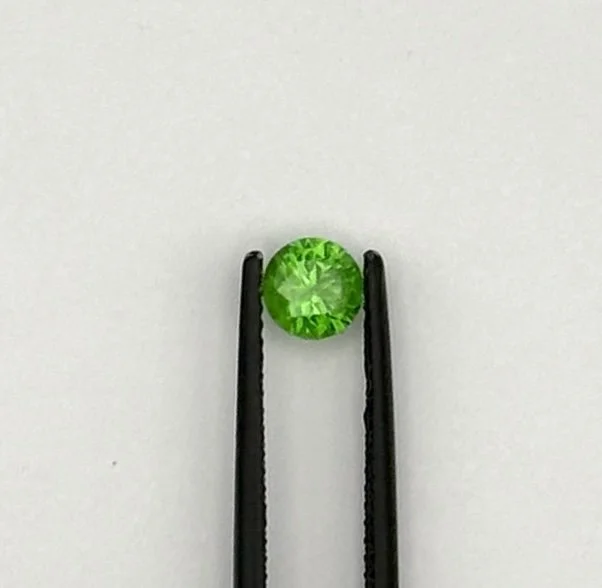
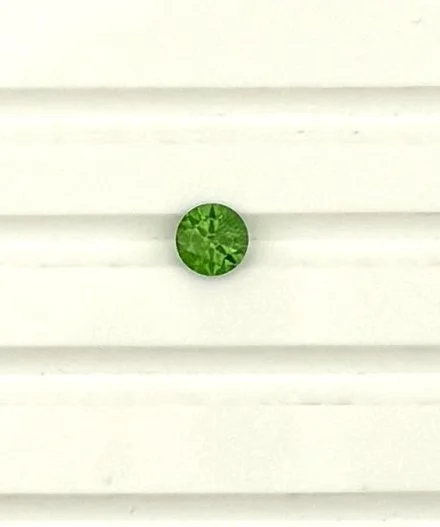
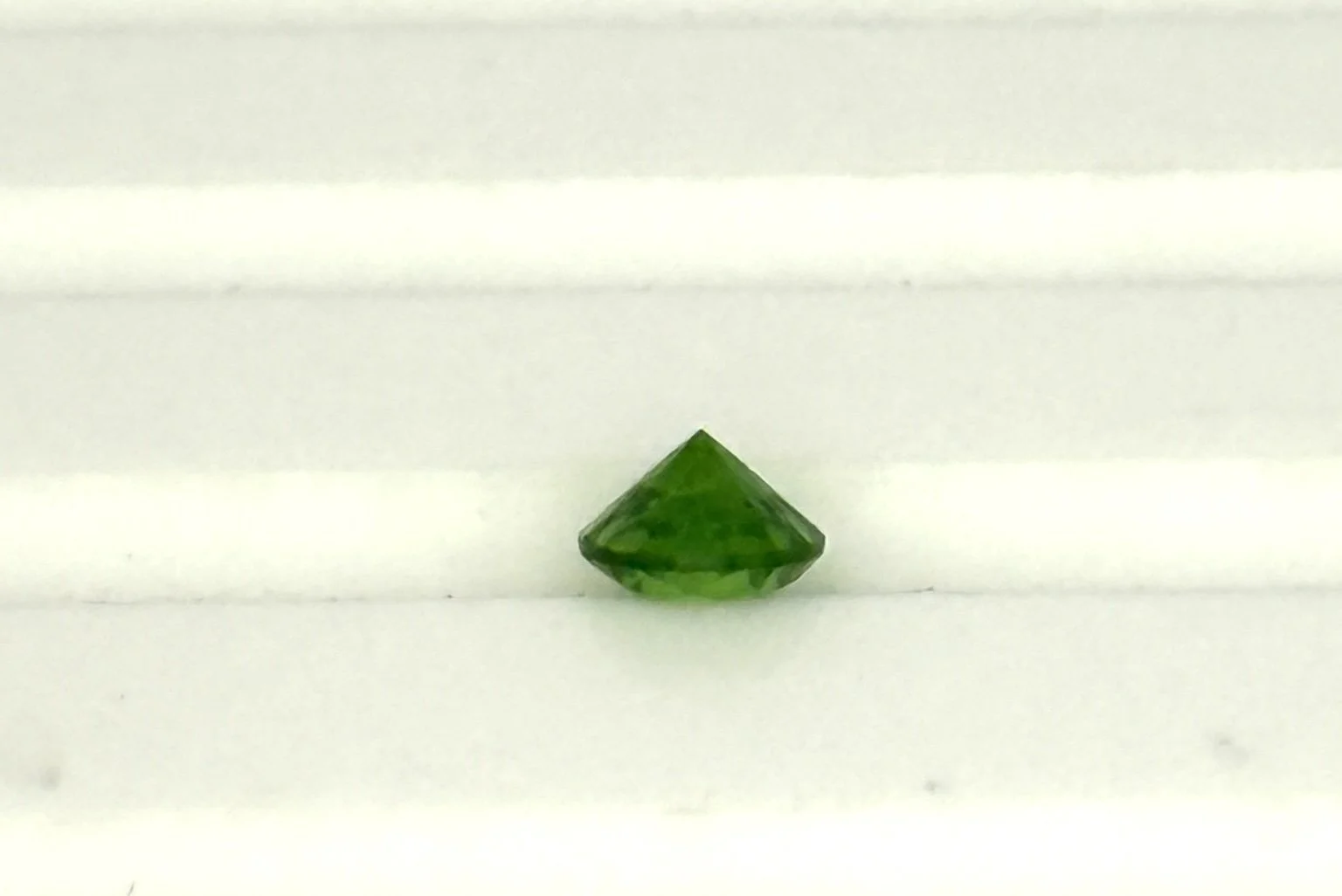
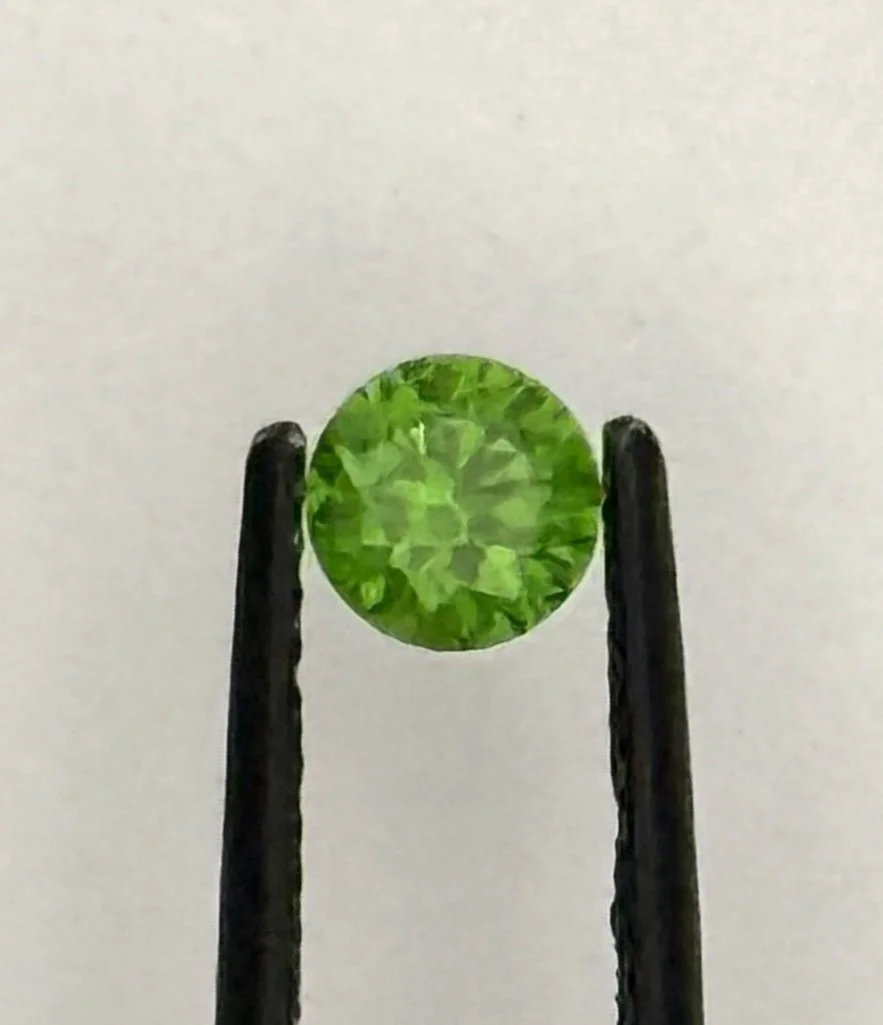
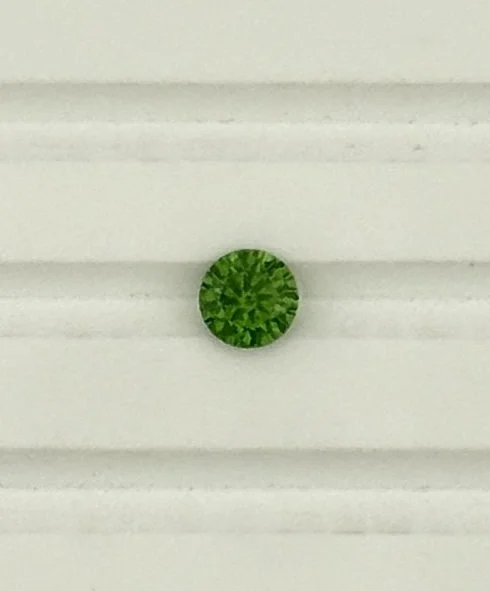
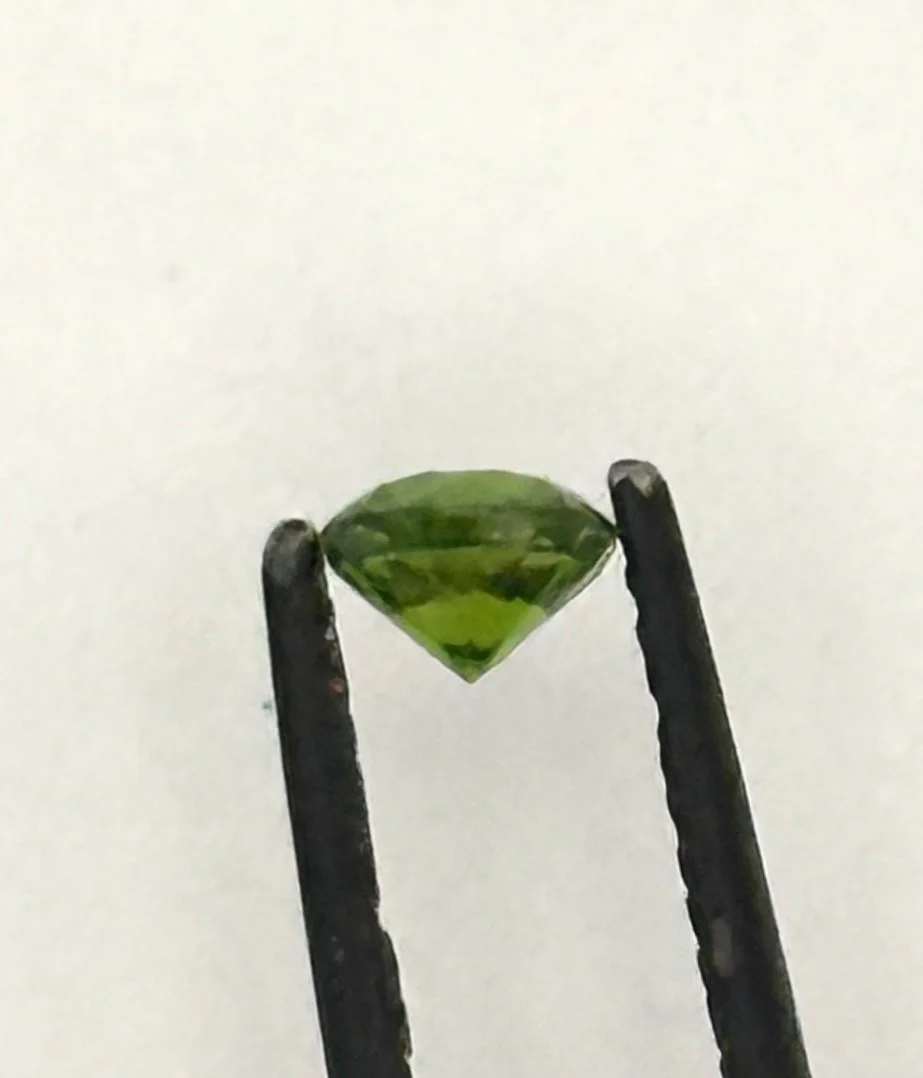
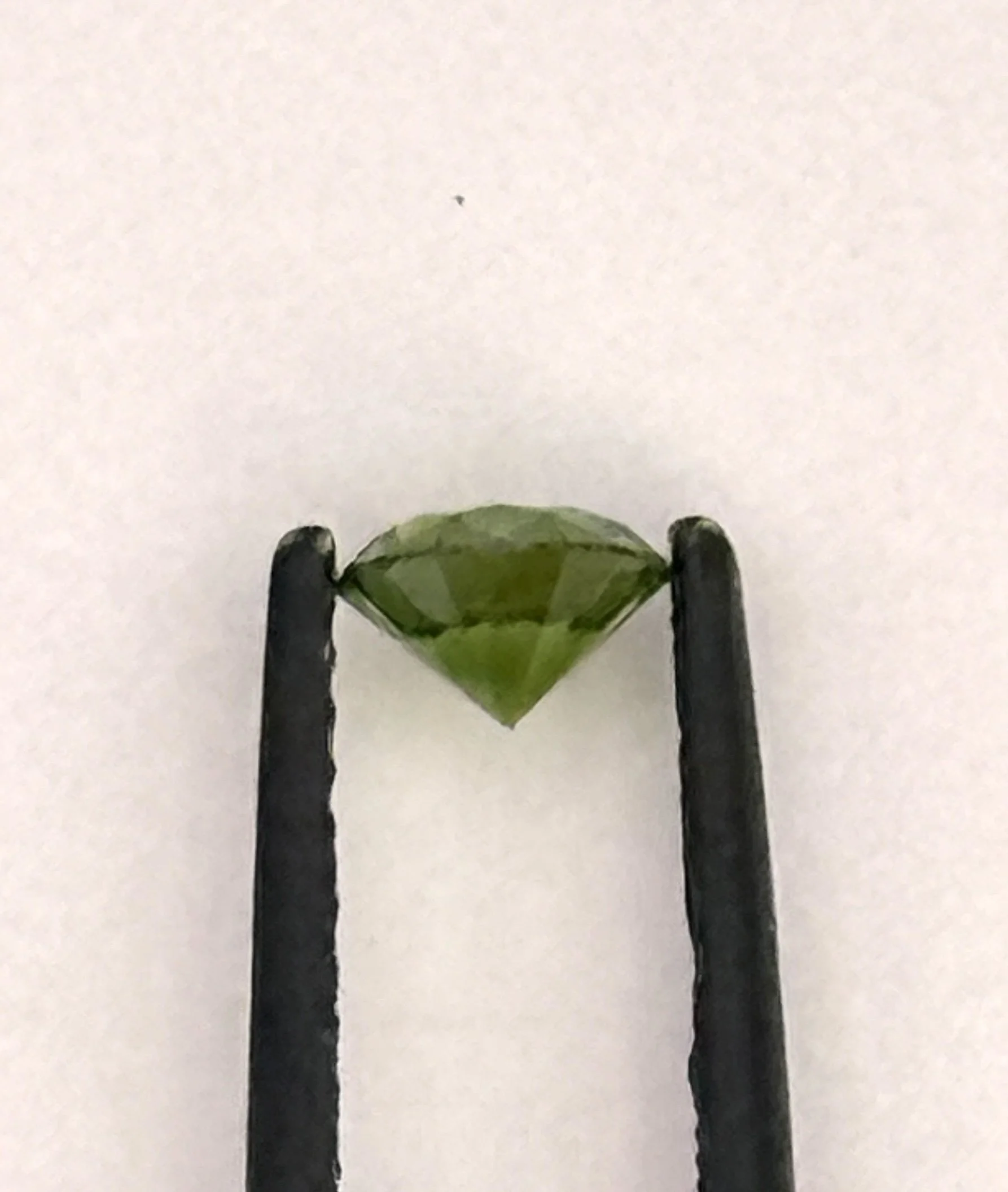
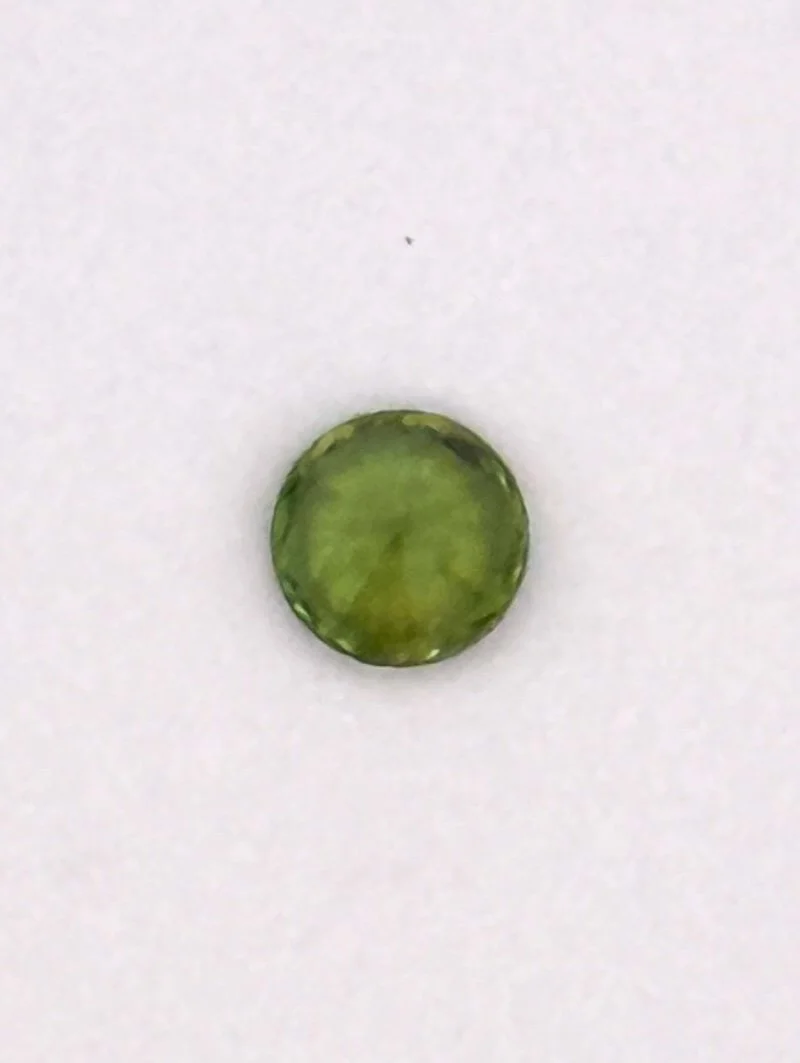
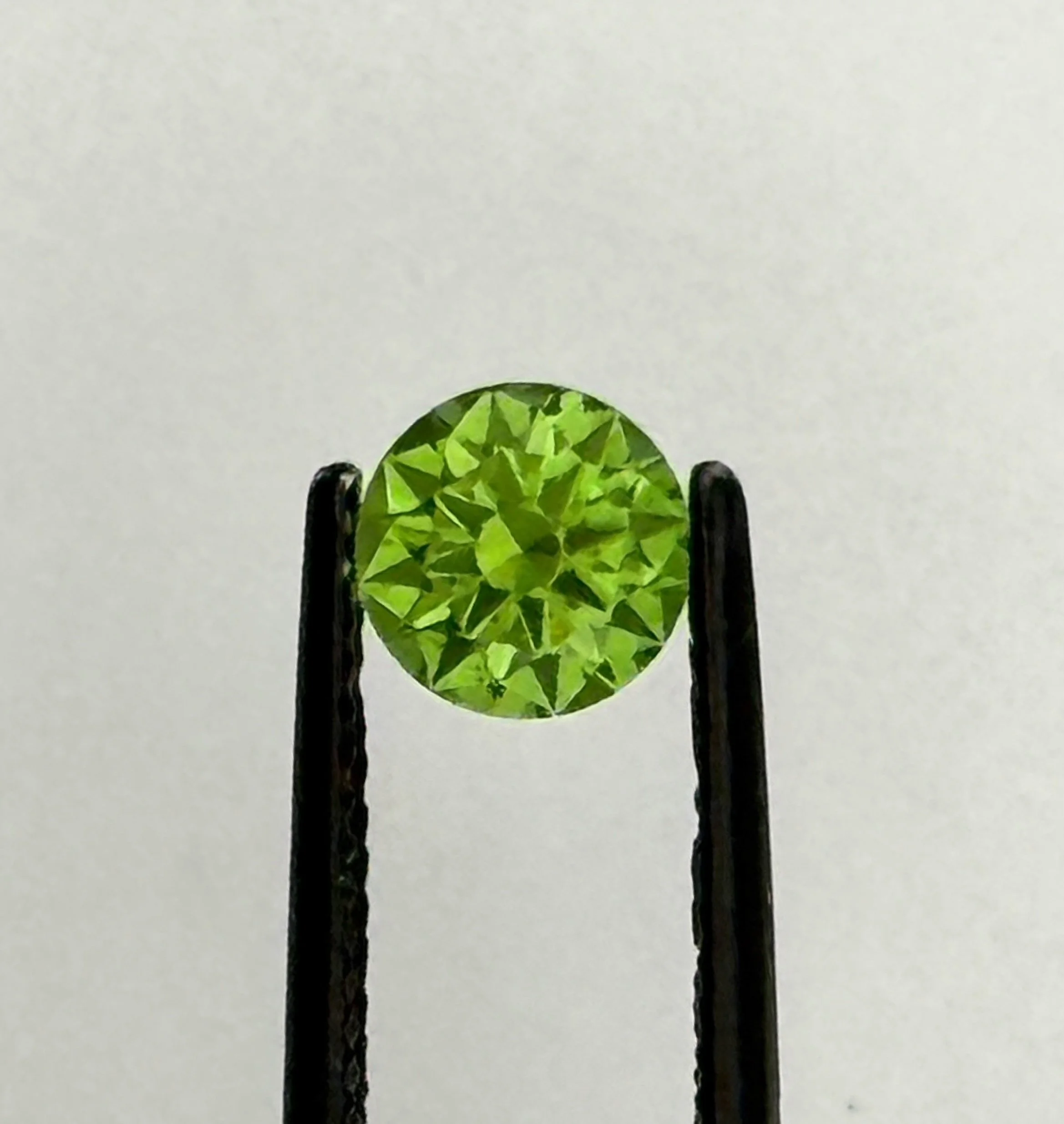
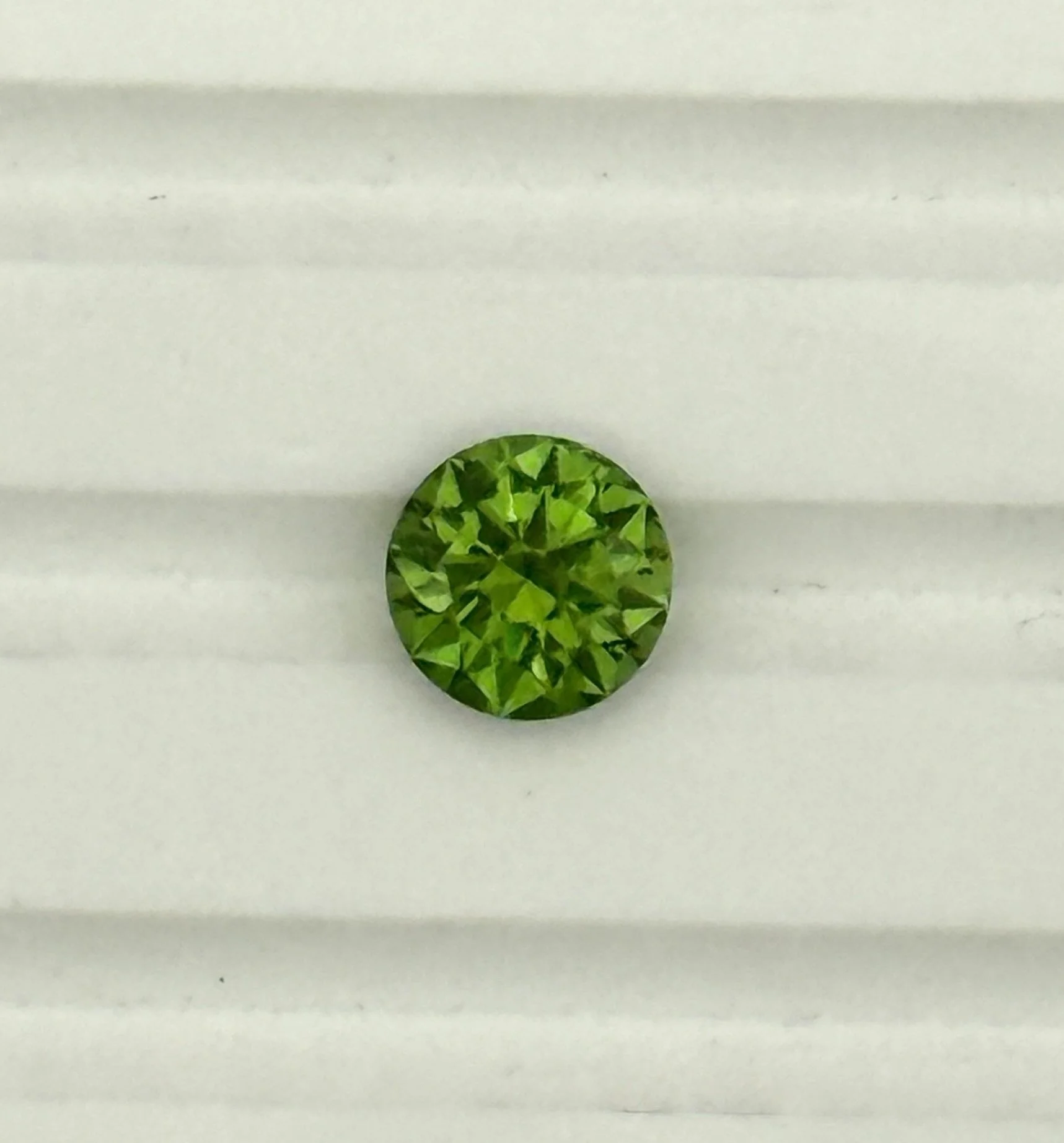
A range of unheated Russian demantoid garnets are offered.
Eric says “ Demantoid garnet is my favourite coloured gemstones. Why? For these green garnets are brighter than other green precious stones, each gem beautifully combines the verdant green of emerald with the brilliance of diamond.
They were mined decades ago in the Urals, Russia, the origin source of the gem, and all display the desirable ‘horsetail’ inclusions so characteristic of the finest demantoid garnets. Each gem has not been treated to enhance their beauty”.
The weights of the demantoids range from 0.51 to 0.62 carats
Prices range from £1,000 to £2,065.
The matched pair in the front of the photograph weigh 0.84 carats and are £1,750 for the pair.
Please note: UK government sanctions relating to Russia do not include trading old demantoid garnets from the Urals, Russia
Please contact me using the ‘WhatsApp Eric’ button below if you wish to know more.
A lovely red natural spinel, cushion mixed cut weighing 0.59 carats, measuring 6.1 × 4.3 × 2.9 mm. Burma origin, not treated.
My latest spinel acquisition; loving the strawberry jam colour of this gem. It would make for a cute statement gem in an engagement ring enhanced by a halo of natural diamonds perhaps, or as a three stone ring with a diamond of any shape on either side. The design possibilities are only limited by your imagination! We can hold your hand during the design and manufacture of your dream jewel.
Please note: There are no UK government sanctions on trading gems from Myanmar (Burma).
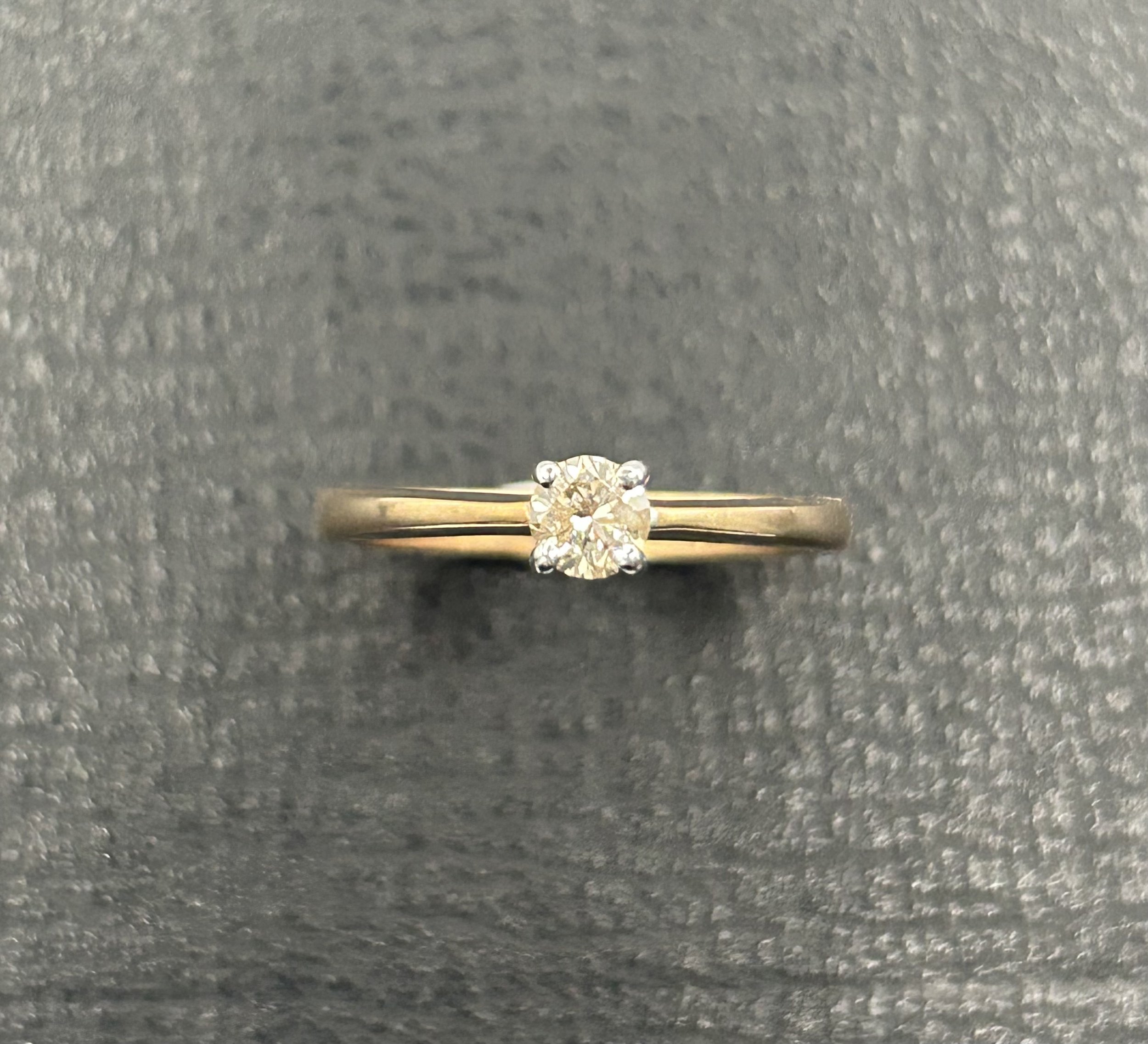
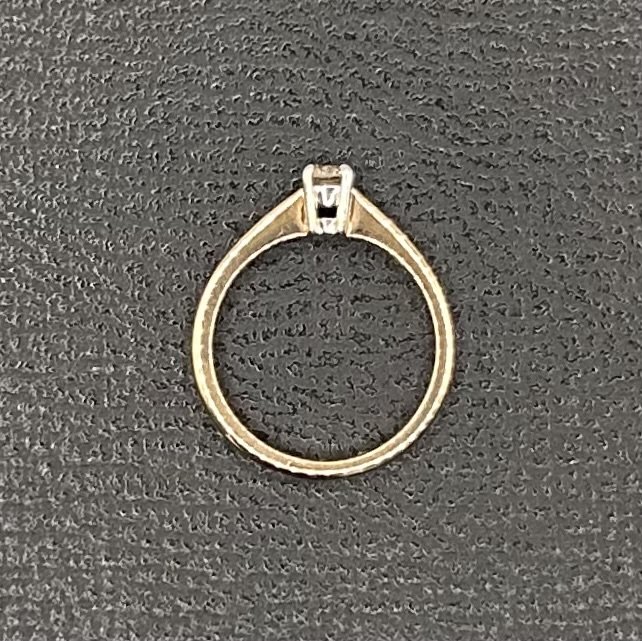
An antique diamond, fashioned in mid 19th century in Europe (maybe Amsterdam or London) as what is now known as an Old European Brilliant, brownish or champagne hue. Set by four claws in a modern 18ct rose gold hallmarked ring.
Diamond is 0.47 carats, 4.9 mm in diameter.
Ring size M, 6.5; band width is 3.0 - 2.1 mm. Ring weight is 3.2 grams.
Eric says: “ This natural diamond has a warm hue to it - a hint of brown, a hint a yellow. I believe it’s from the Argyll mine in Australia but I cannot prove its providence! Such a hue in a diamond may be called a ‘champagne’ and recently De Beers has marketed diamonds having such colour as Desert Diamonds - with reference to the colour of sand not their geological origin!”
0.26 carat round brilliant champagne diamond, 4.0 mm. in diameter, four claw set in 18ct rose gold hallmarked solitaire ring.
Ring size K, 5.5; thickness of band is 2.4 mm. Ring weighs 2.96 grams.
Eric says: “This attractive gem is a fine example of sapphires from a basaltic geological source which have a deeper tone than stones from other origins. This sapphire has an ‘Oxford Blue’ coloration! Colour banding can be observed only from its side and light ‘silk’ inclusions barely seen with a 10x lens.”
A loose unheated sapphire, of basaltic origin, probably Thailand, of intense saturation and medium tone. Round mixed cut, weighing 3.70 carats, measuring 8.41 - 8.63 x 6.62 mm.
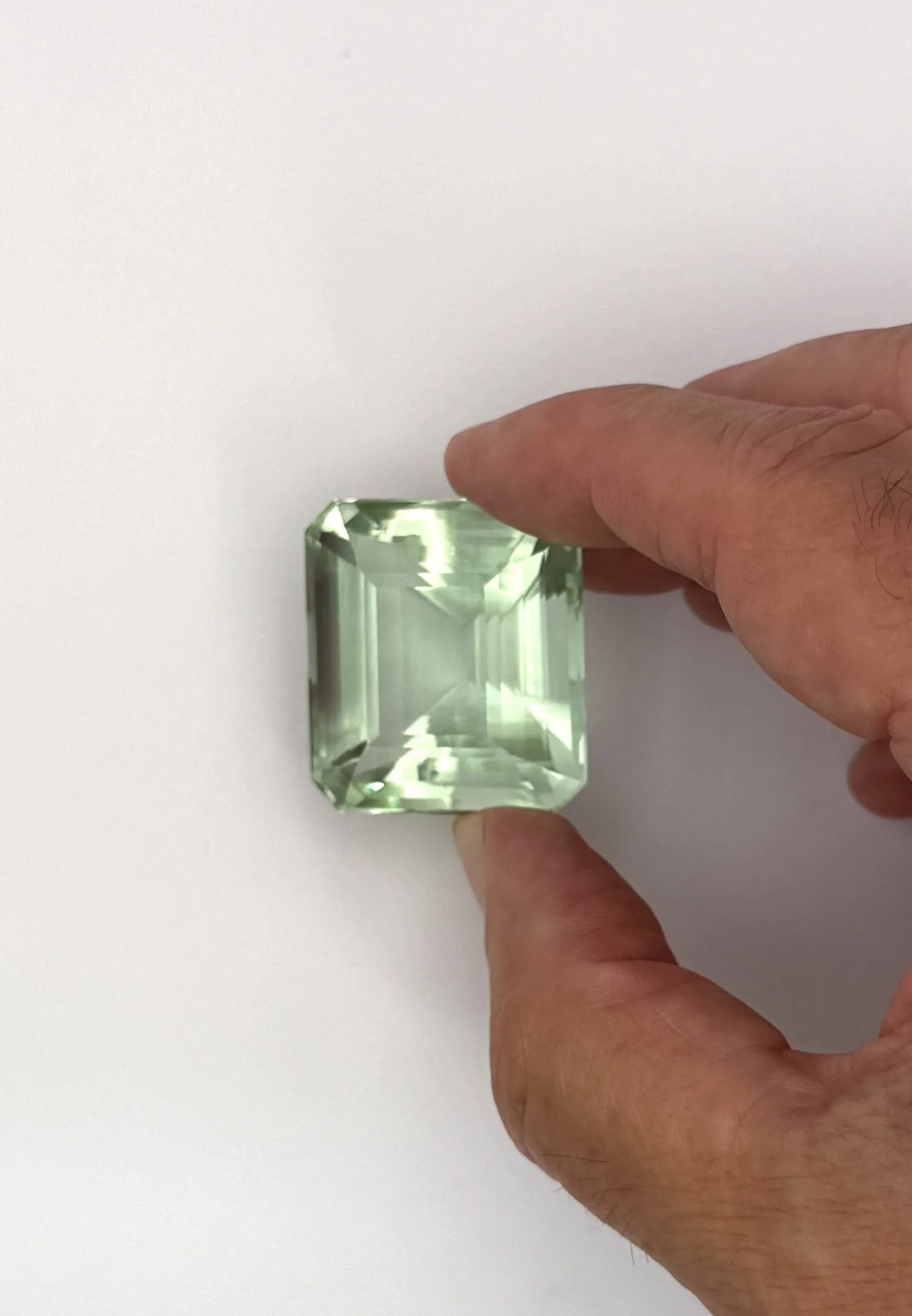
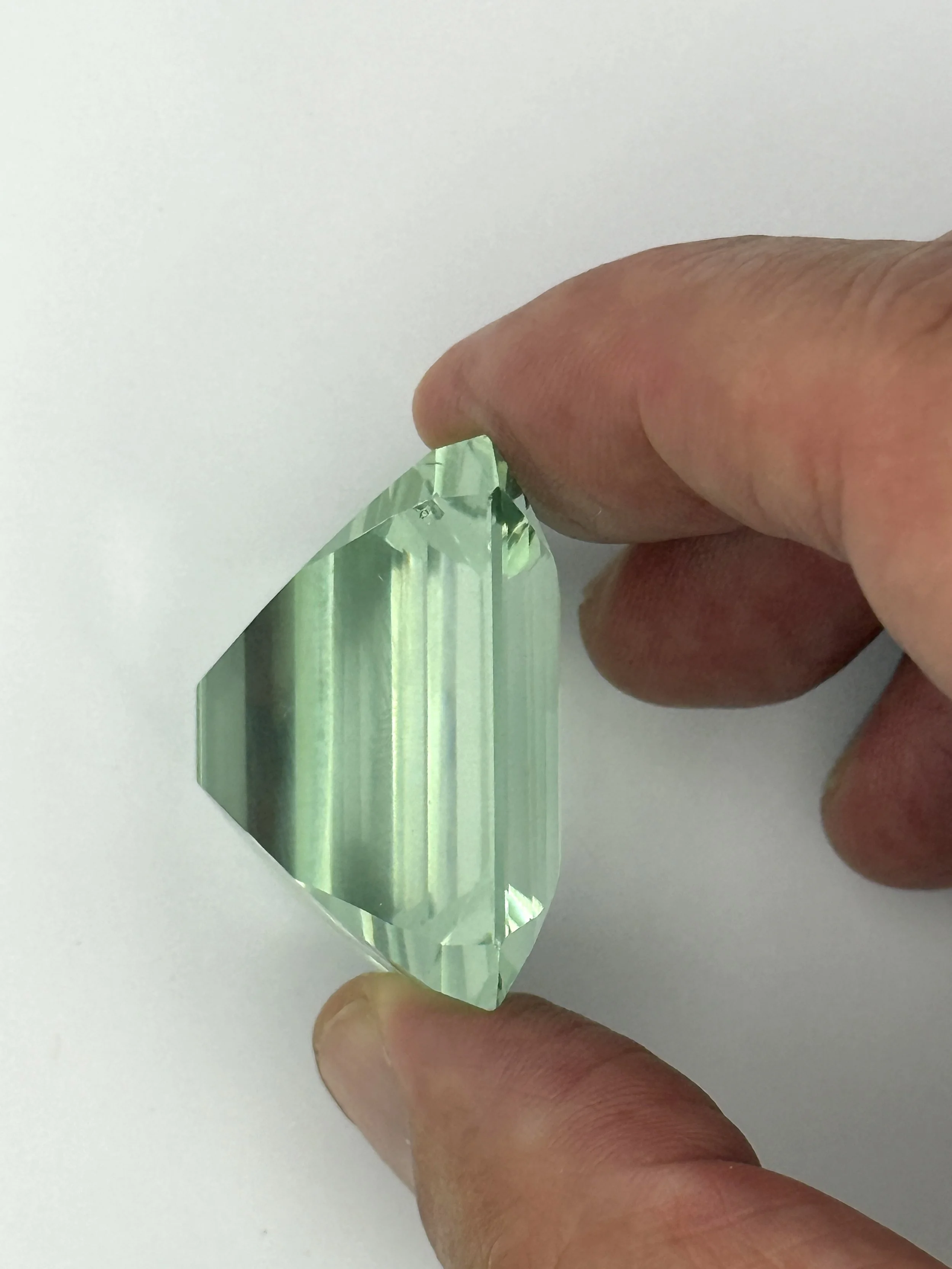
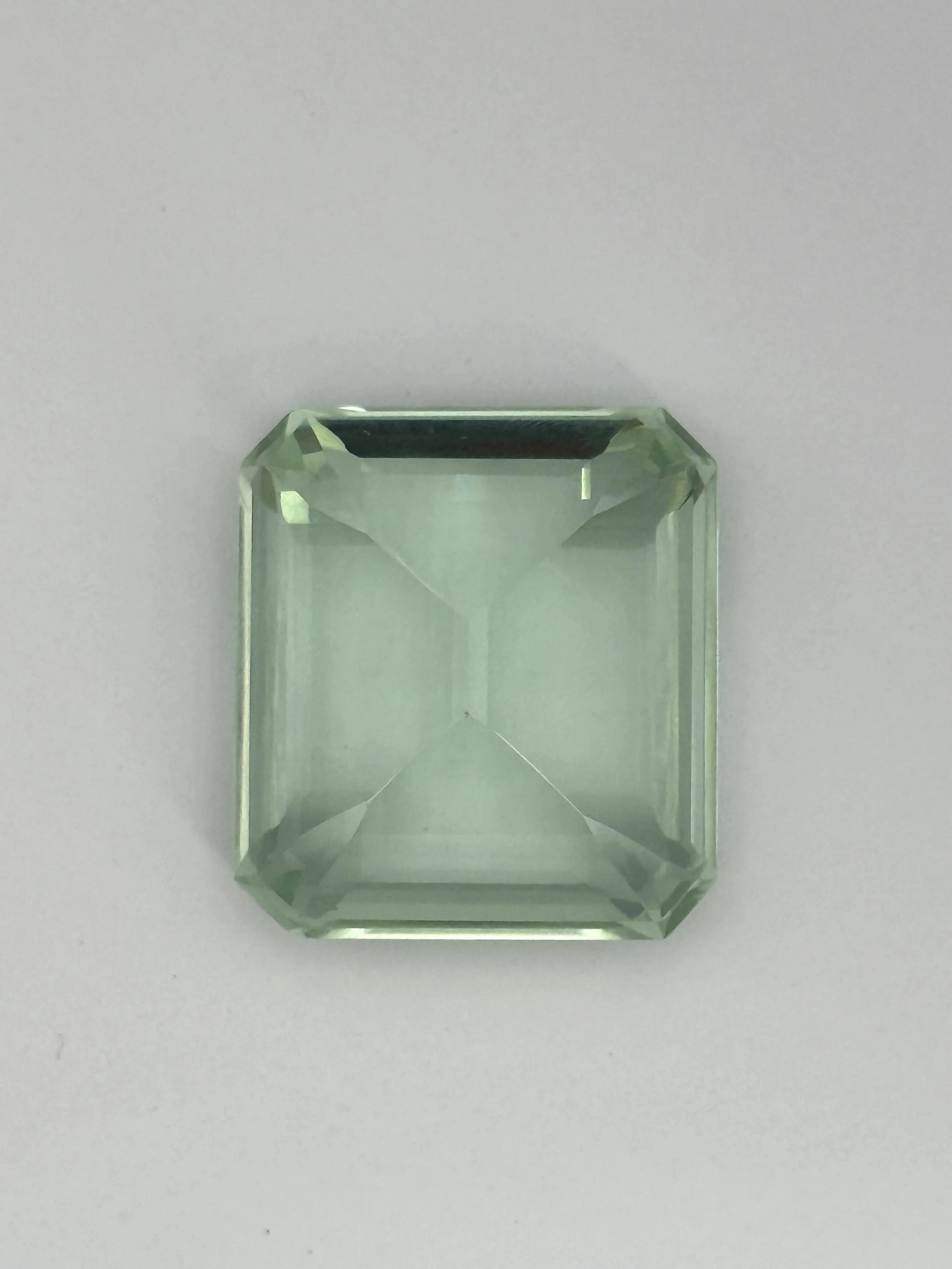
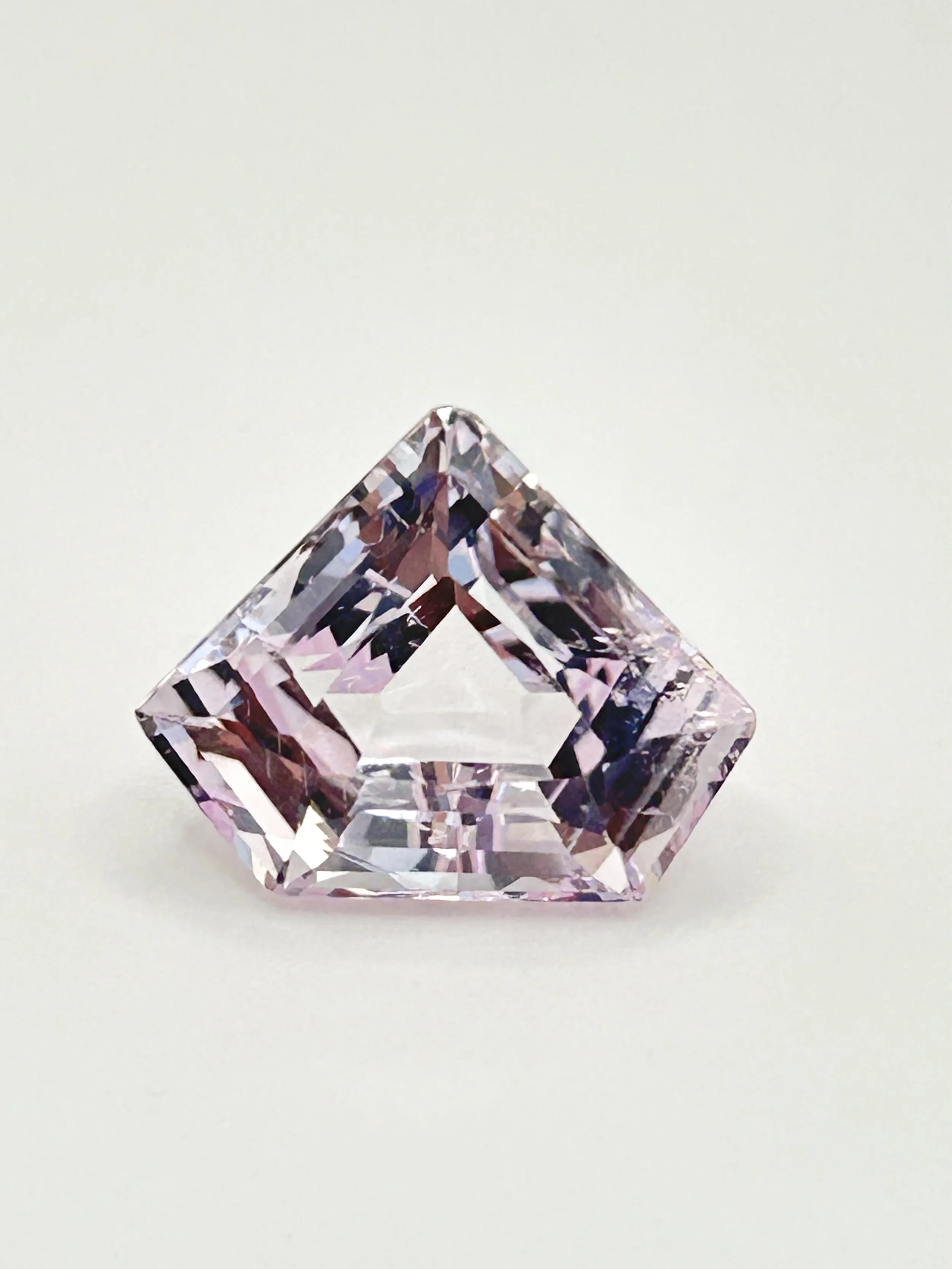
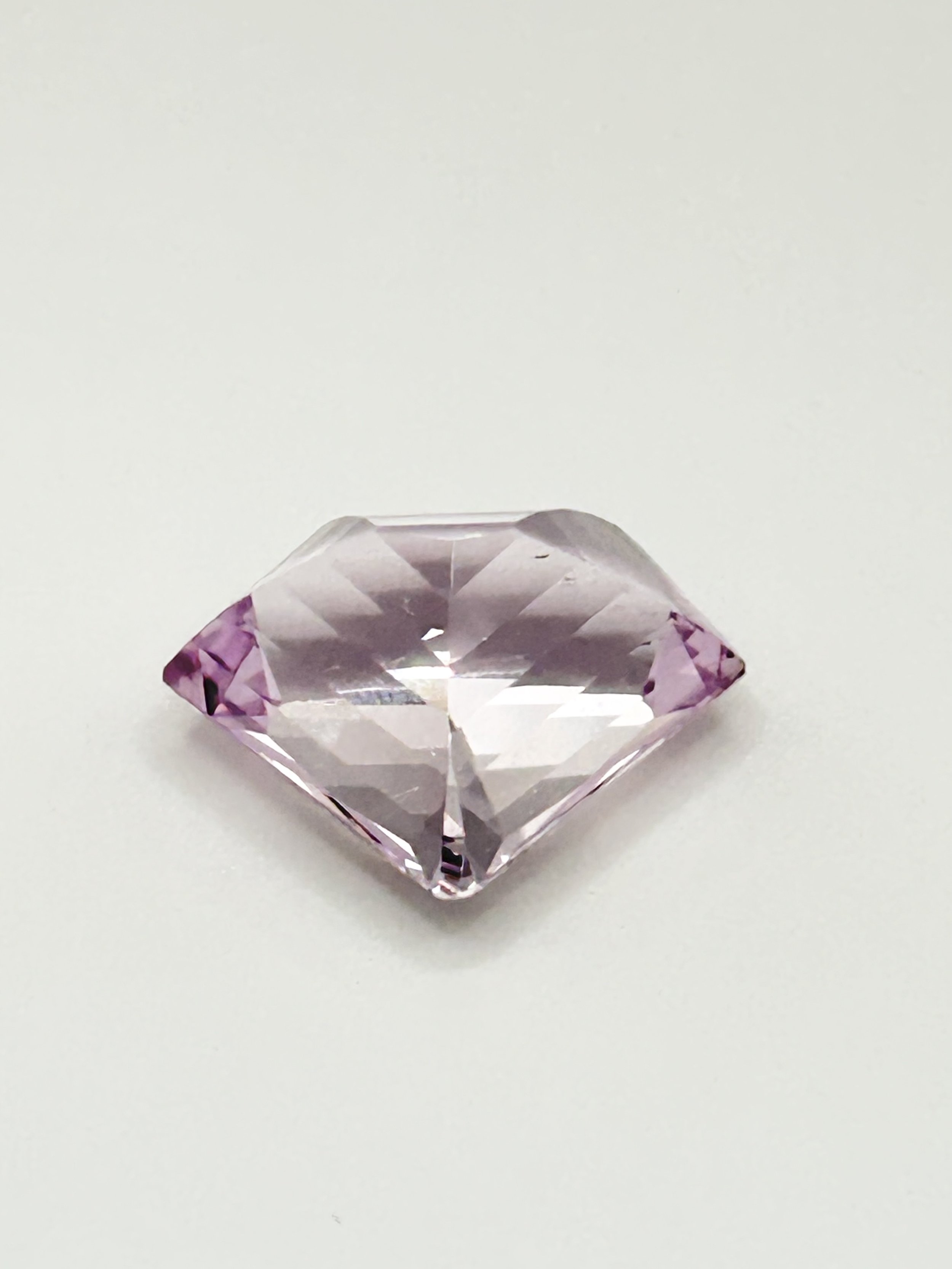
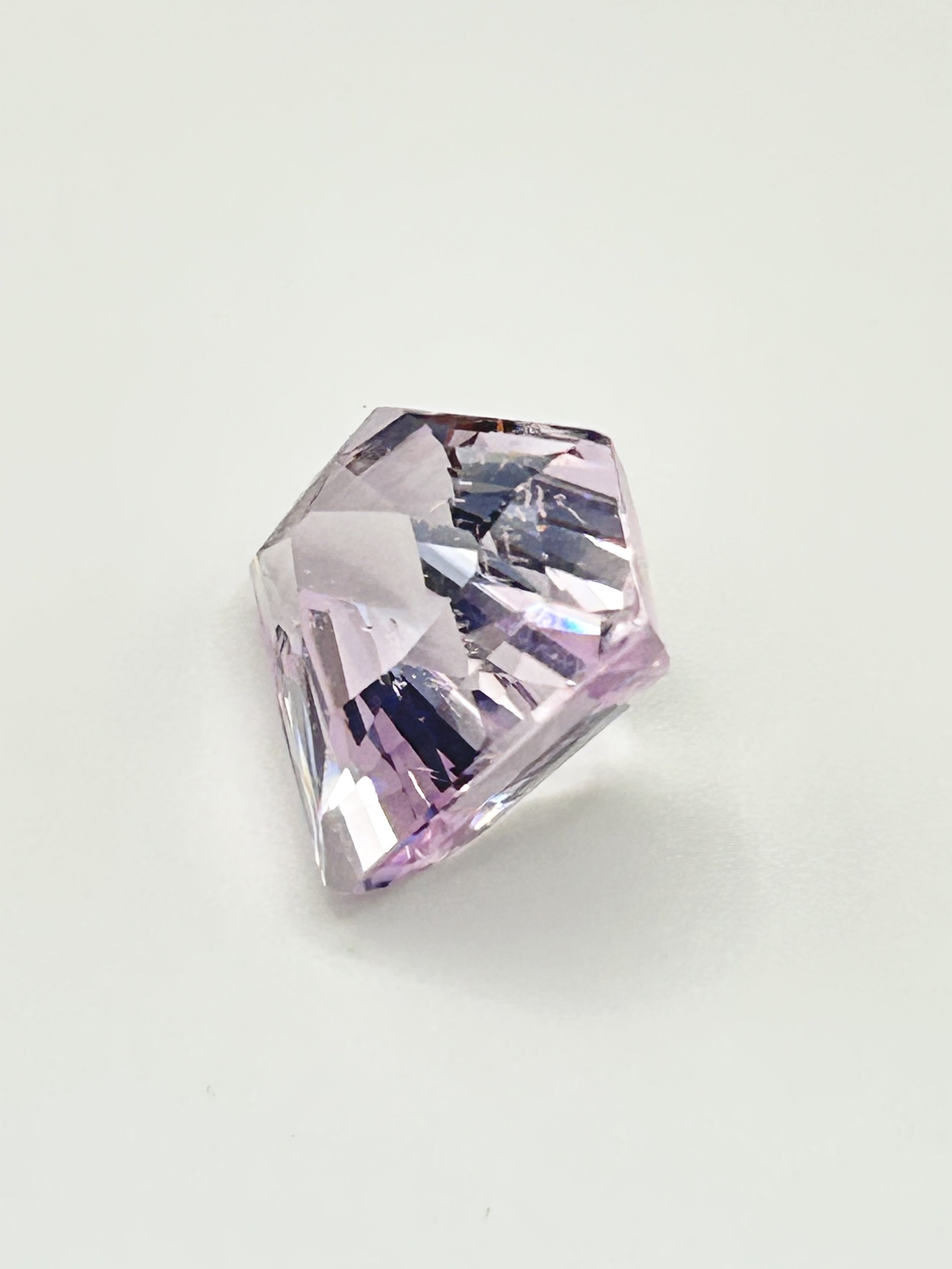
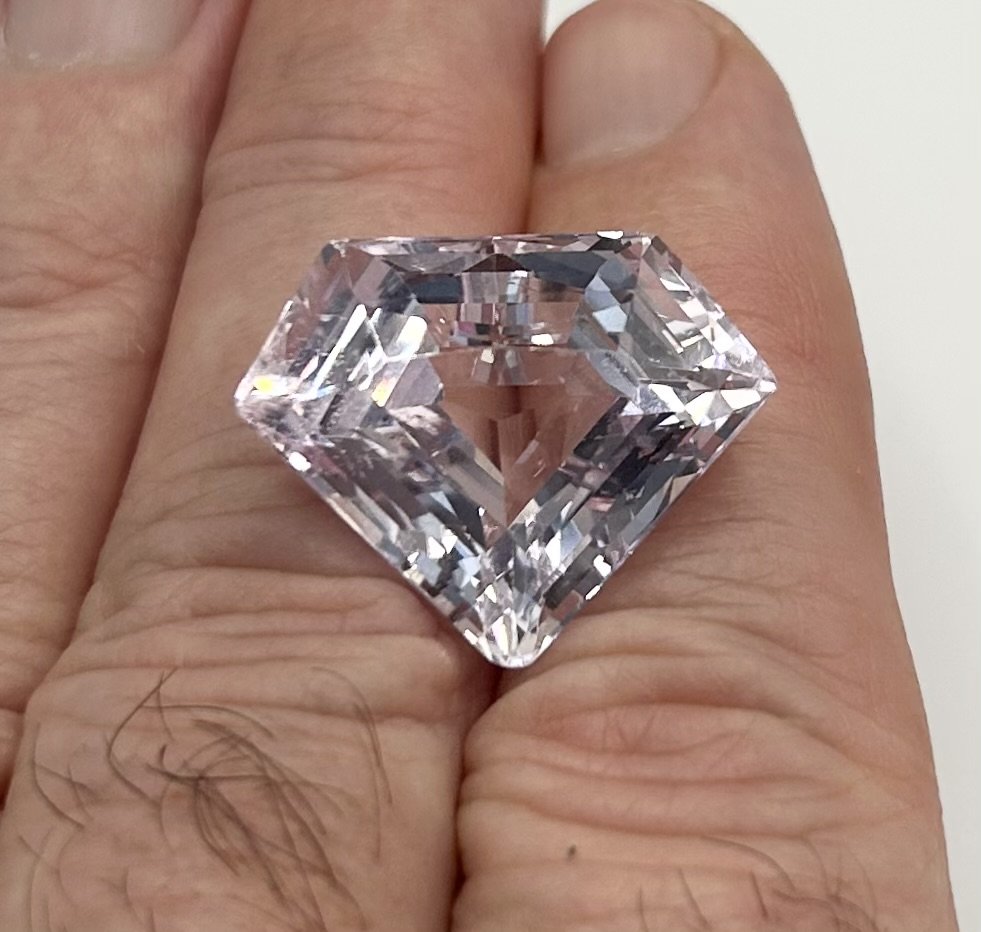
A fine example of the gem endowed with a blush of pink - a charming rose hue. Fashioned as a shield shaped step cut- not unlike a round brilliant diamond side profile.
28.85 carats, measuring 24 x 12 x 9 mm, would look fab mounted as pendant, brooch or as an outrageous cocktail ring.
Message me if you wish to view this gem or learn more details
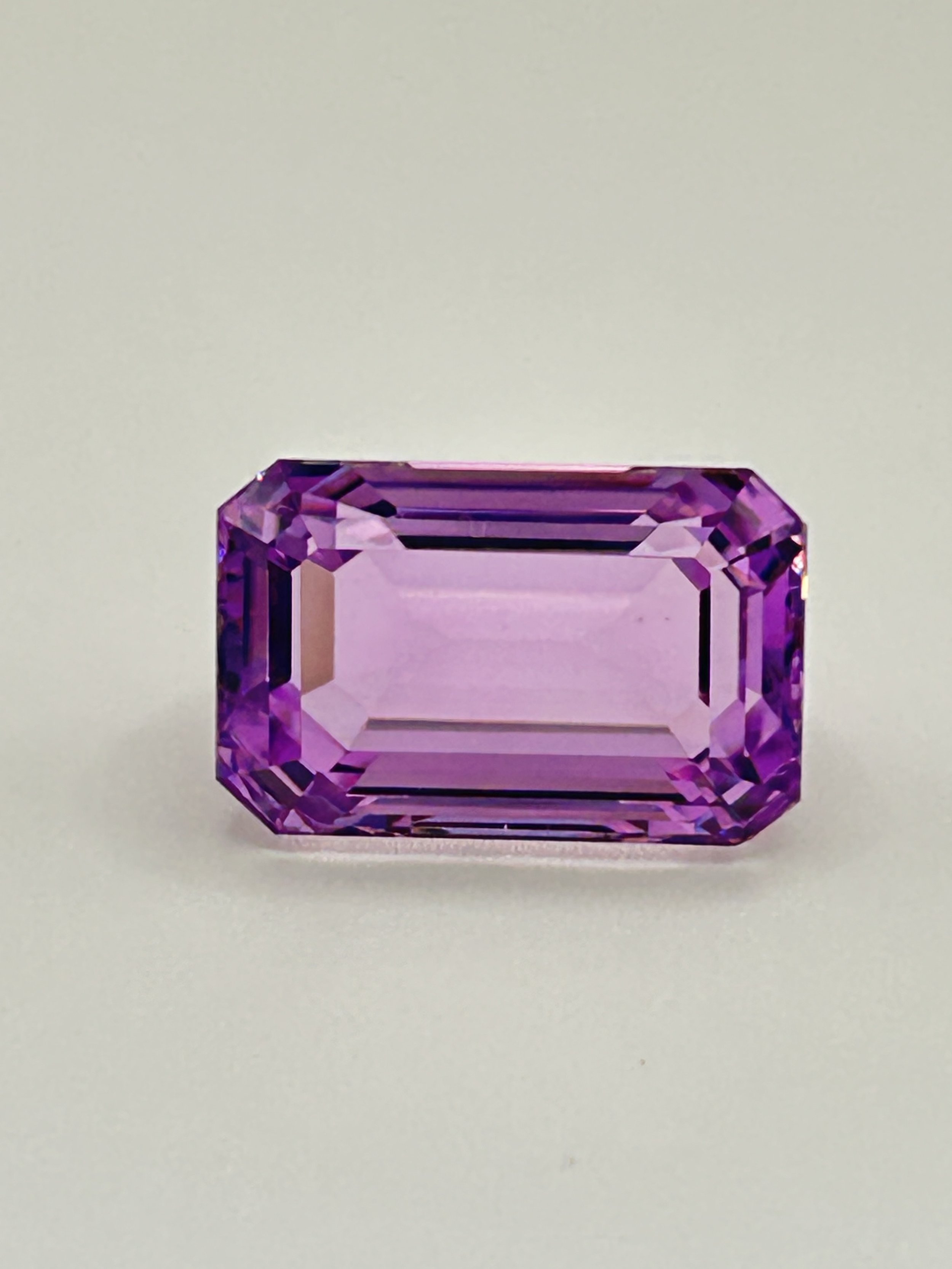
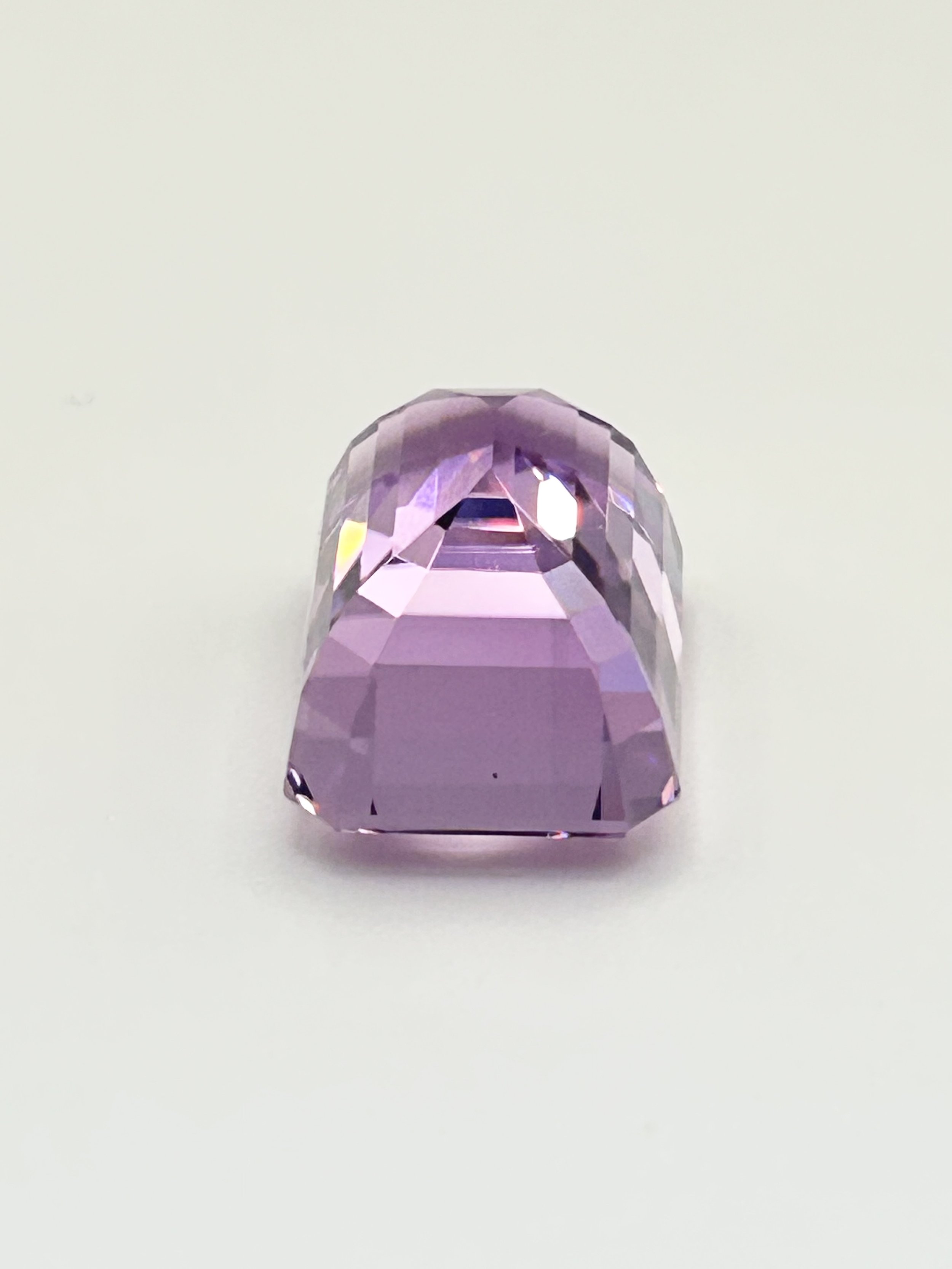
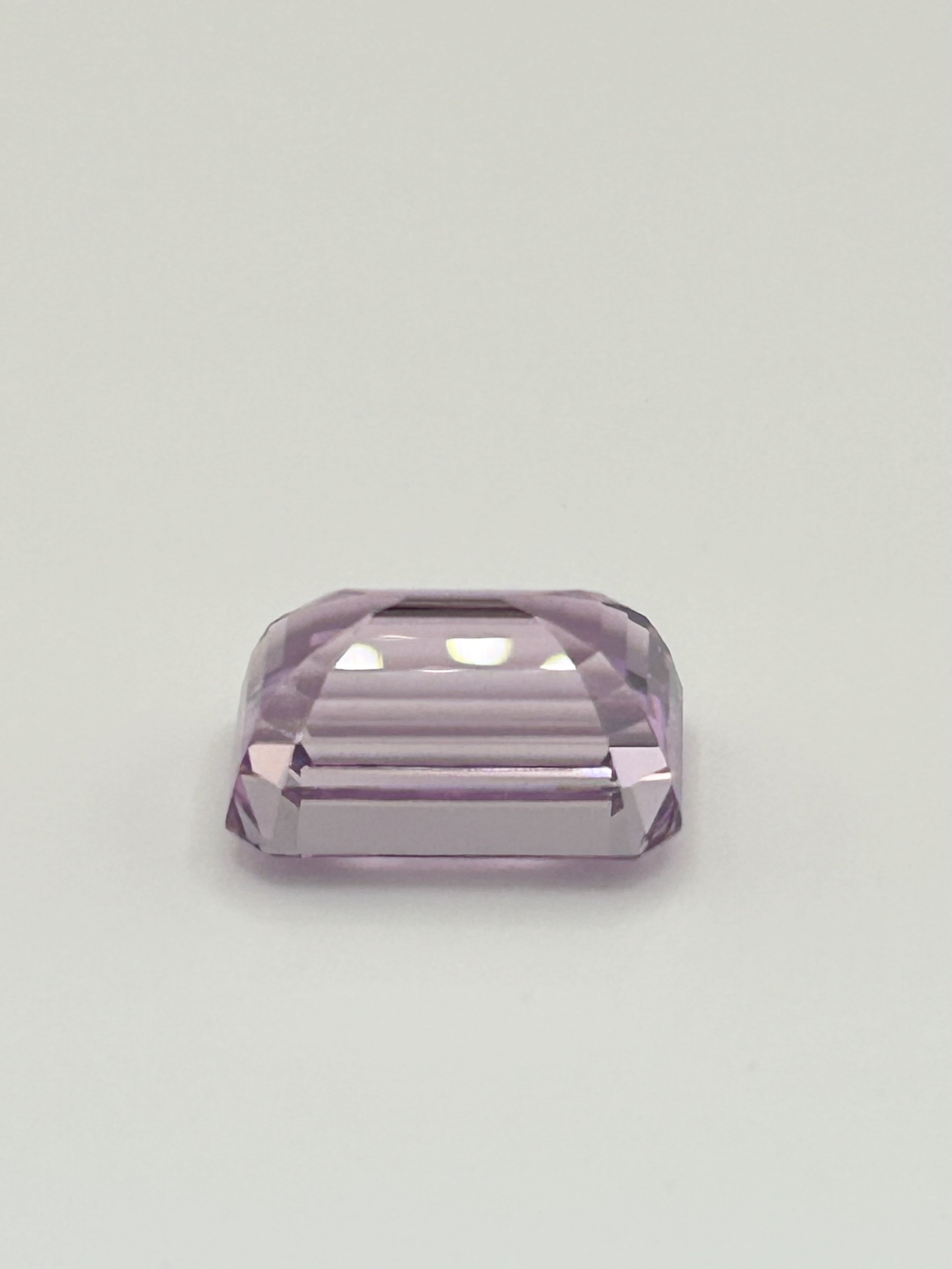
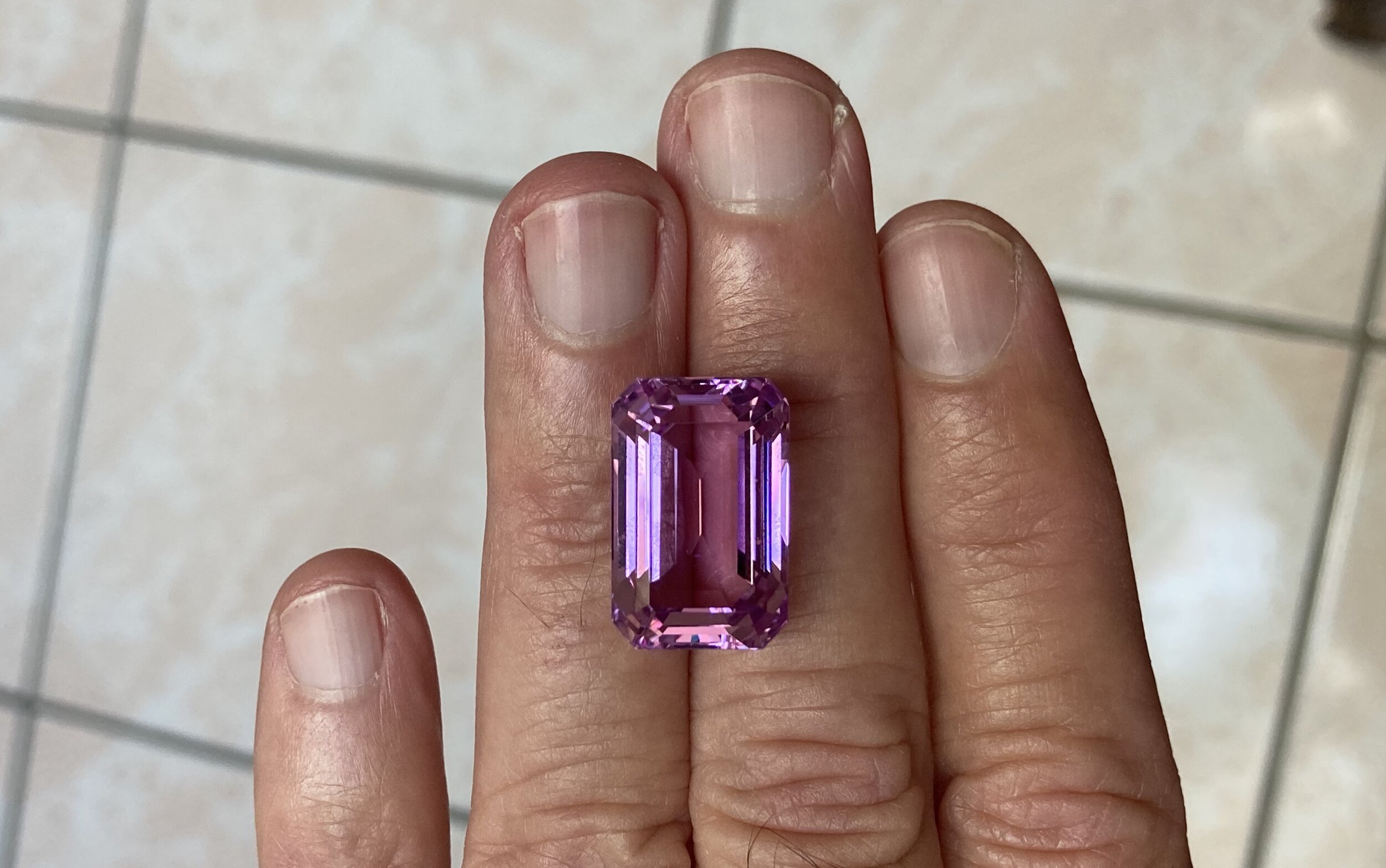
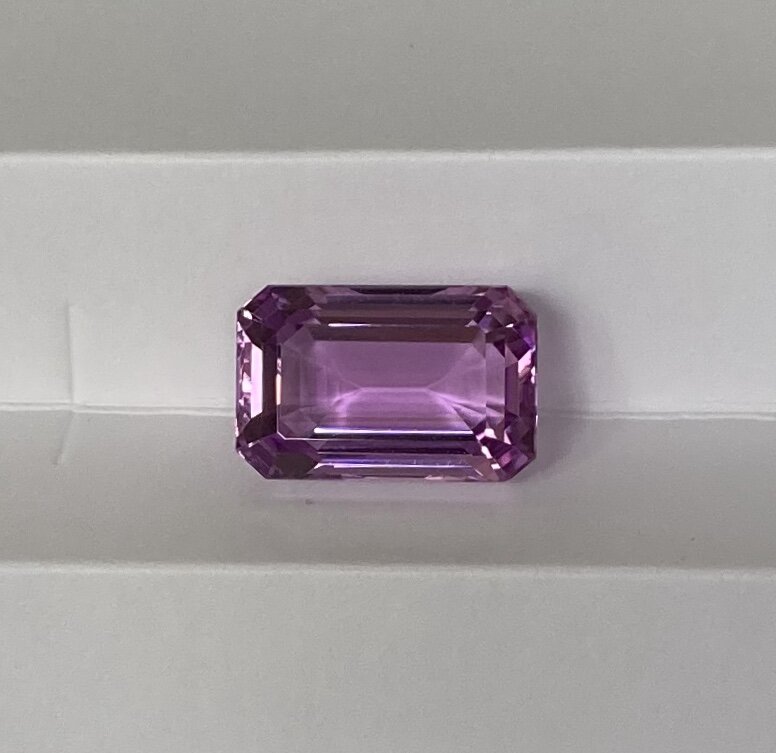
An intense colour for the gem, weighing 27.30 carats, measuring 19.7 × 12.8 × 10.8 mm., fashioned as an ‘emerald cut’ or better named octagonal step cut.
Kunzite is the lilac-pink form of the mineral spodumene. Its colour varies from a rich vivid pure pink to a mere blush of lilac colour. Intense colours may have been subjected to colour enhancement and I believe this example may have been so treated although I cannot provide evidence. Its intensity has not faded during the many decades I have owned it.
This Kunzite would make a striking statement gem when mounted in a pendant or cocktail ring.
Eric says: “ this natural spinel has a charming rose pinkish red hue that I love so much. I believe gems ‘talk’ to us when we look at them intensely - this spinel shouted at me to buy it! I hope you love it too when you see it in the flesh. I shot the gem in natural London daylight yet it is so difficult to capture the vivid hue and saturation of this fine spinel.”
A natural spinel, cushion mixed cut weighing 1.61 carats, measuring 6.8 x 6.2 x 4.9 mm. Burma origin, not treated.
Please note: There are no UK government sanctions on trading gems from Myanmar (Burma).
A luscious strawberry jam red cushion mixed cut spinel weighing 0.93 carats, measuring 6.0 x 5.8 x 3.7 mm. Not treated, from Burma.
I love this colour and cushion shape. Can you imagine the gem in your jewellery design? Ring? Pendant? Surrounded by round brilliant diamonds?
As always these photos are untouched, unfiltered, shot in rare London sunshine by me. Such precious stones should be viewed ‘in the flesh’ to appreciate their beauty. Contact me to arrange a viewing.
Eric says: “ The square diamond shape is so popular at present. Seen in jewels as the principal gem or pavé set in a line on the shoulders or shank of a ring. Technically the cutting style is termed ‘modified brilliant’. as there are more polished facets than on the traditional brilliant cut diamond”.
This Princess cut diamond is 0.27 carats, D colour, VS2 clarity, measuring 3.70 x 3.59 x 2.48 mm. with GIA report number GIA15357919. Read the GIA report here
Eric says: “ I just love the juicy red colour of this spinel - strawberry jam or does it remind me of raspberry jam? Either way it would make for a striking centre statement stone in a spectacular ring or pendant. Let’s design you perfect heirloom!”
A cushion shaped mixed cut, natural unheated Burma spinel, weighing 1.92 carats, measuring 7.7 x 6.7 x 4.7 mm.
Please note: There are no UK government sanctions on trading gems from Myanmar (Burma).
Eric says: “This is another ring commissioned from a leading London based jewellery maker-designer. It helped that she was a student of one of my past diamond courses! I love the simple, clean design and I feel the solitaire jewel is rather elegant”.
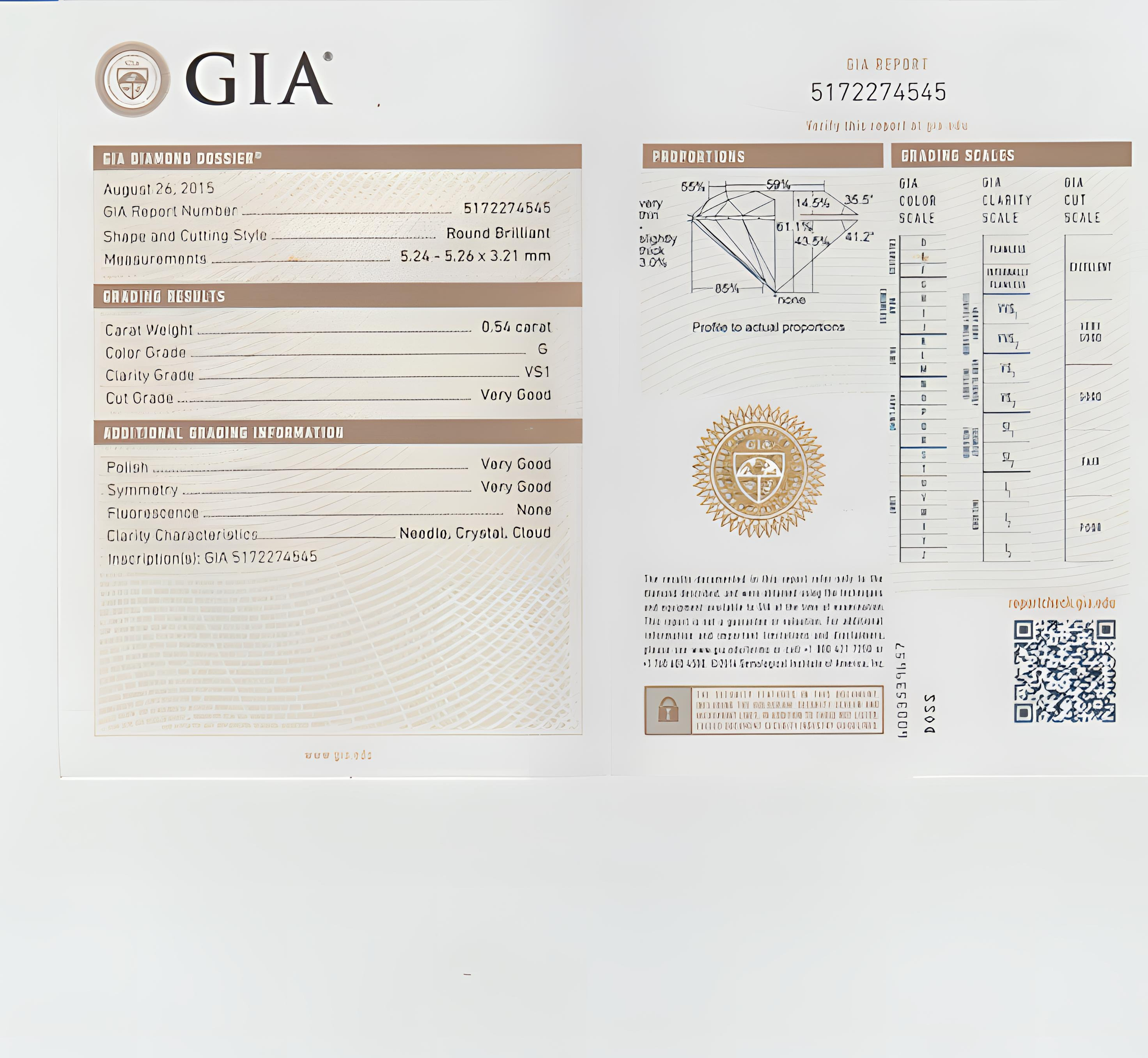
The 0.54 carat round brilliant natural diamond, G colour, VS1 clarity of very good cut is mounted as a solitaire ring in 18 ct gold and platinum. Hand made, of course, not a cast mount. The diamond graded by GIA, Report GIA 5172274545, see scan.
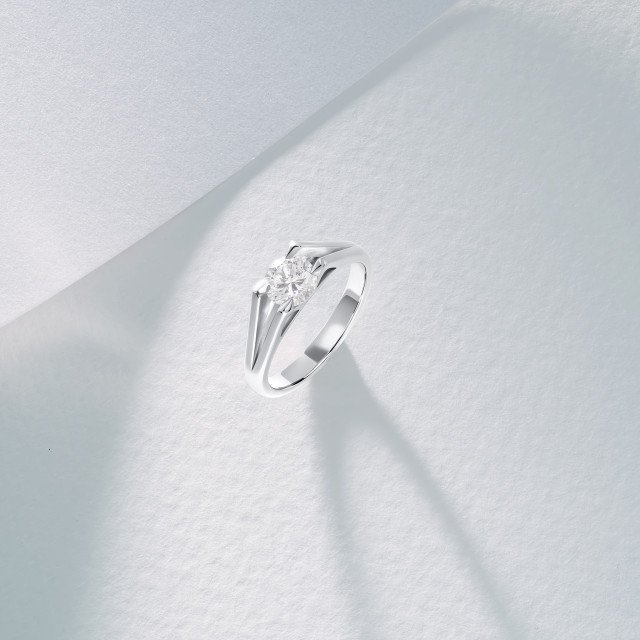
Eric says: “I commissioned this stylish modern design diamond ring from a leading London based jewellery maker-designer. It helped that she was a student of one of my past diamond courses!
The platinum split-shoulder design adds a modern edge to an otherwise classic silhouette. Four claw prongs complete the design for a sleek, timeless look. Hand-made, of course, not a caste mount.
If platinum is not your preferred precious metal I can offer 18ct White gold, 18ct Yellow gold or 18ct Rose gold.”
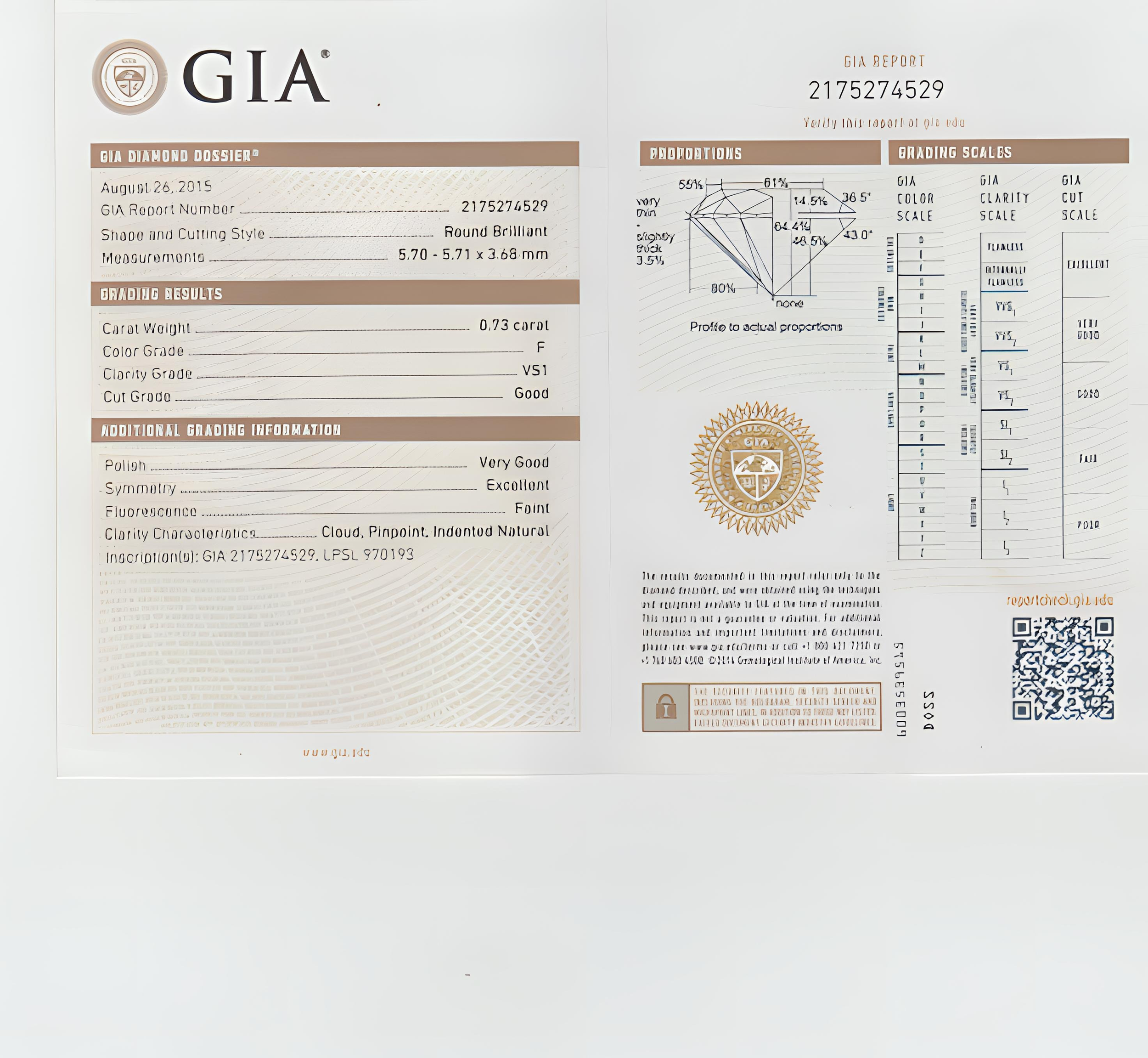
The round brilliant natural diamond, F colour, VS1 clarity, of good cut. Graded by GIA. See scan of GIA Report GIA 2175274529
Now offered at a sale price.
An attractive example of an unheated (no heat) ruby from Mogok, Burma. If you are looking for a flawless ruby this one is not for you as its inclusions are typical of this desirable location.
Oval mixed cut, 6.7 x 5.0 x 3.4mm, 0.94 carats.
In the shot of the two rubies, it’s the one on the left. The larger one, on the right, is also from Mogok, Burma, no heat, displaying noticeable inclusions. Also for sale.
Please note: There are no UK government sanctions on trading gems from Myanmar (Burma).
📷 me in London daylight. Both rubies have been in my collection for decades.
A loose unheated Sri Lanka sapphire of intense colour and good transparency. Oval mixed cut, weighing 1.49 carats, measuring 6.5 x 5.2 x 5.1 mm.
Eric says: “A nice example of a sapphire from Sri Lanka, the land of gems and an historic source of fine sapphires. From my images, shot in London daylight, as my usual manner, one can see a delightful distribution of the violet blue hue from vivid to intense. The pavilion (base of the gem) has been cut deep to retain and maximise the saturation of the colour as is common in local fashioning of sapphires. The gem is included with microscopic ‘silk’ and crystals typically seen in Sri Lanka sapphires, none are visible to the unaided eye. There is a slight degree of surface abrasions to the facet edges consistent with normal wear.
Tanzanite: the bluish purple to purplish blue gem variety of zoisite. Discovered in the 1960s near Mount Kilimanjaro, Tanzania, the new gem was popularised by Tiffany. It is favoured for its vivid colour saturation in fine specimens and for its very strong pleochroism (showing different hues when viewed from different directions). The majority of tanzanite sold has been heated to promote the intense colour.
I confess tanzanite is one of my less favourite blue gemstone. Perhaps that is because of its almost universal heat treatment or because it lacks any historical perspective. What I do prefer is the purplish blue colour, as shown here in my gem, to a bluish purple hue. What is your preference?
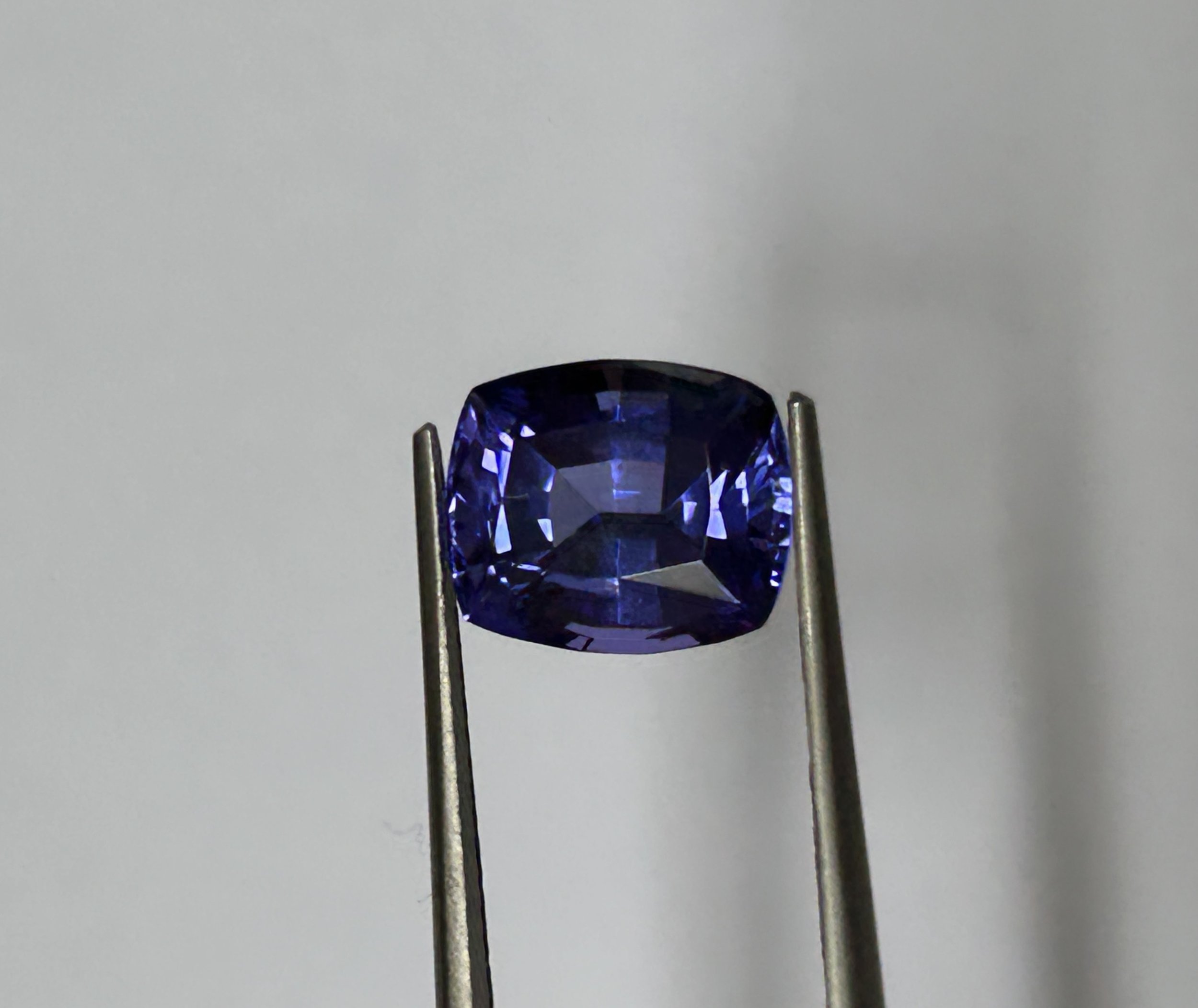
This tanzanite I’m selling is 4.15 carats, 10.1 x 8.5 x 6.3mm, cushion mixed cut, heated (of course!).
Photographed by me in natural London daylight, no filters.
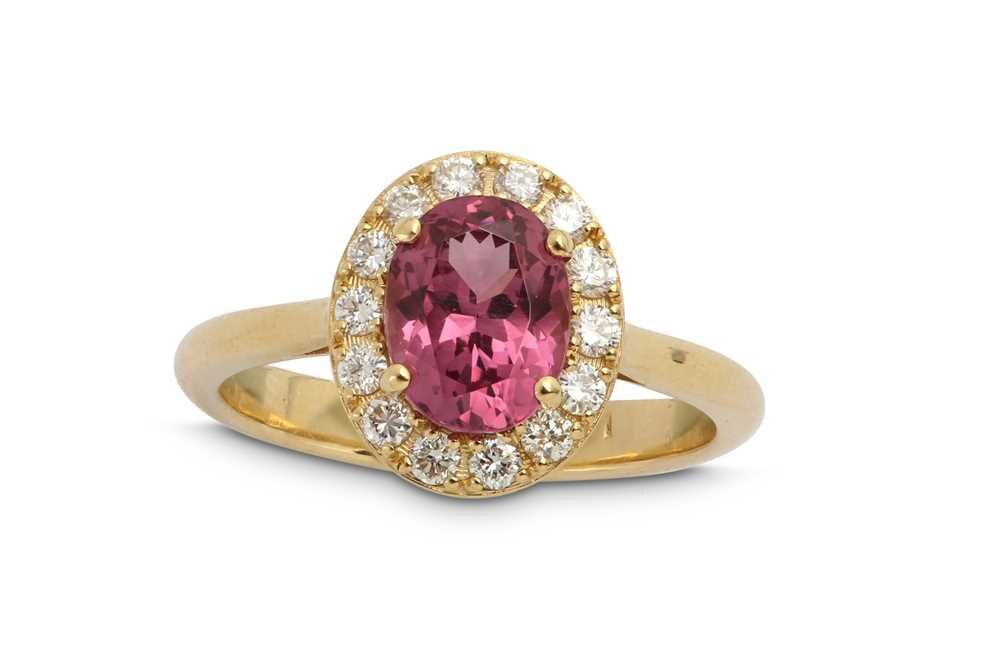
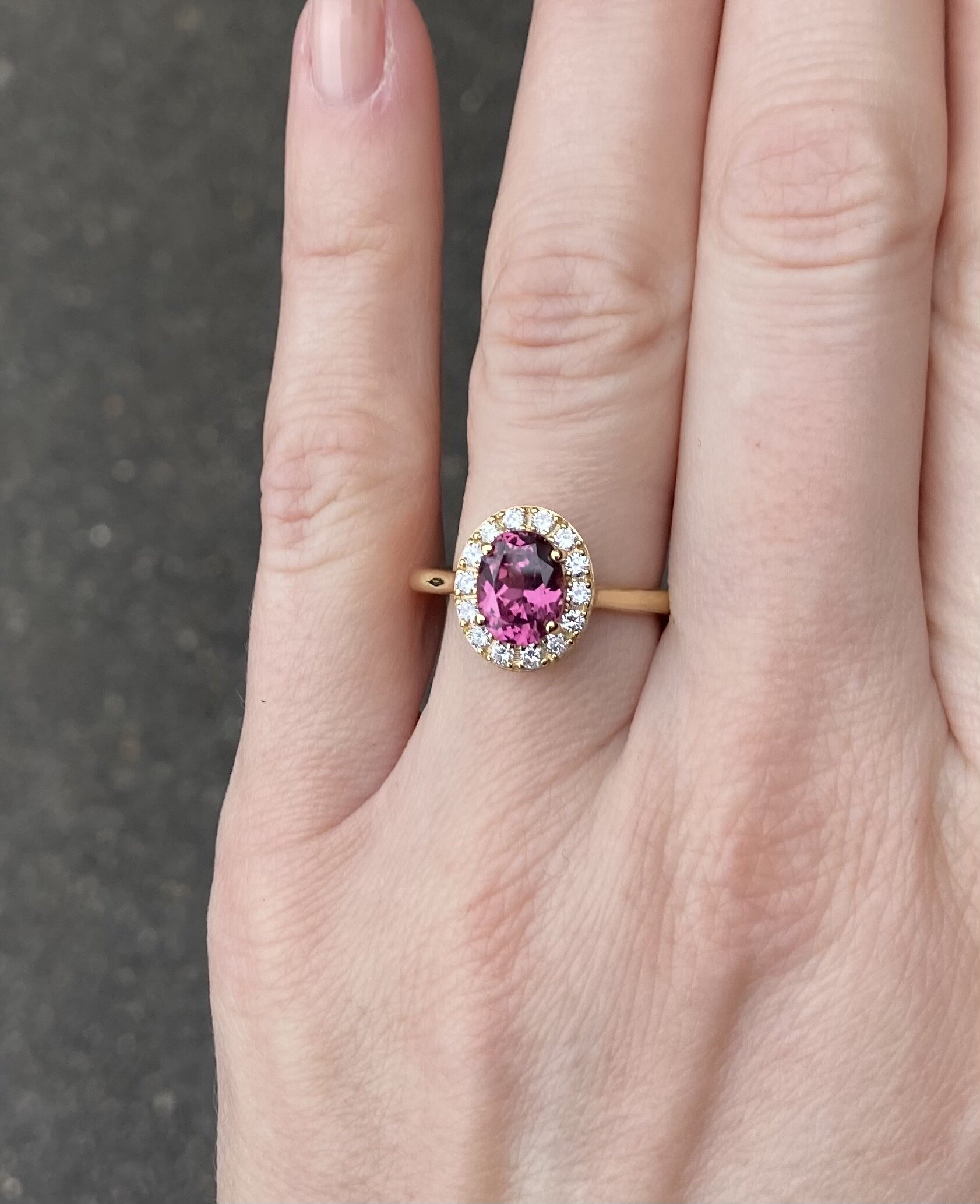
Eric says: “Spinel is an under-rated precious stone perhaps as it considered the ‘poor cousin’ of Ruby. Yet I love the range of colours displayed by spinel - red, pink, purple, blue and grey are all charming to behold.
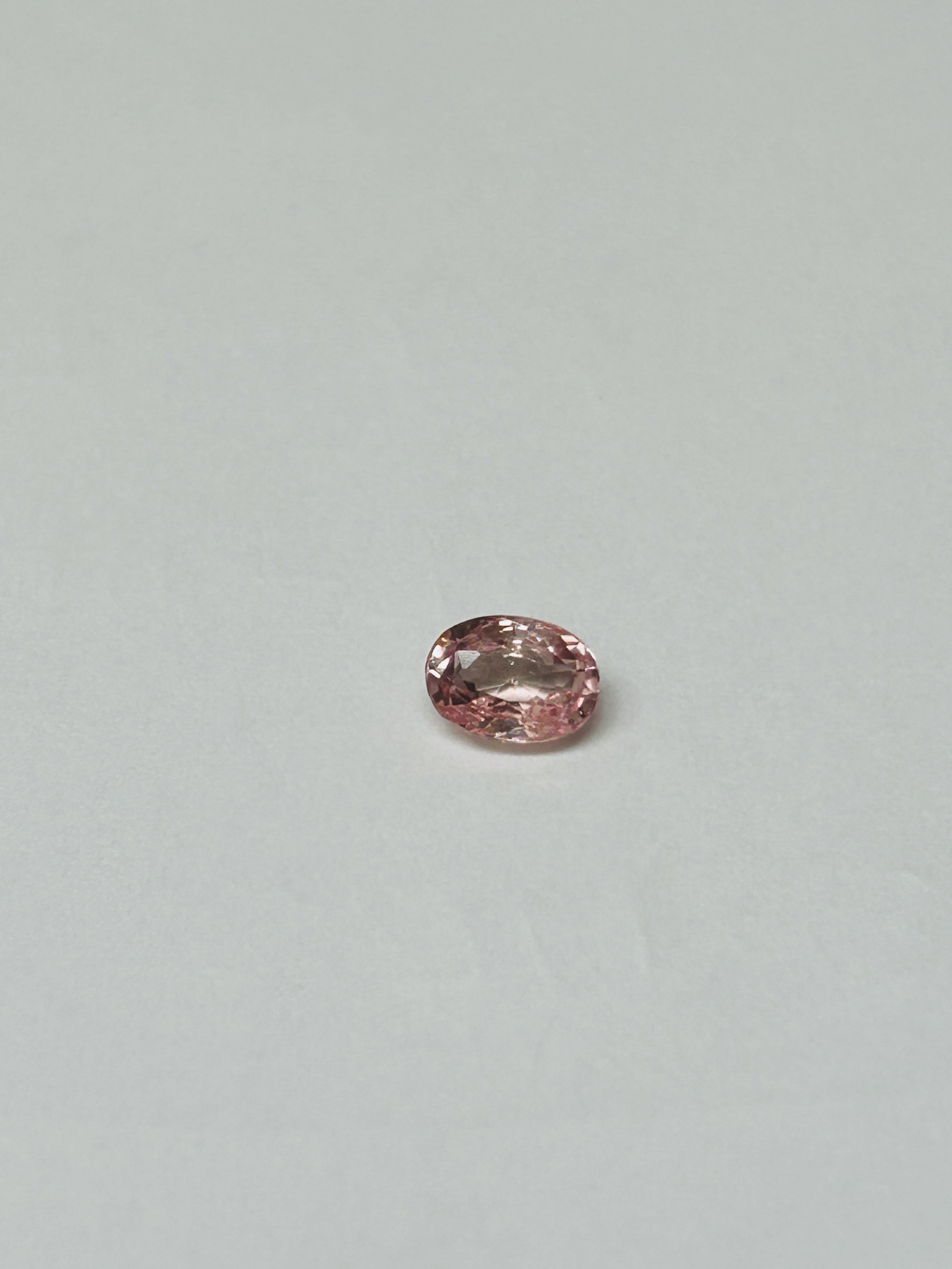
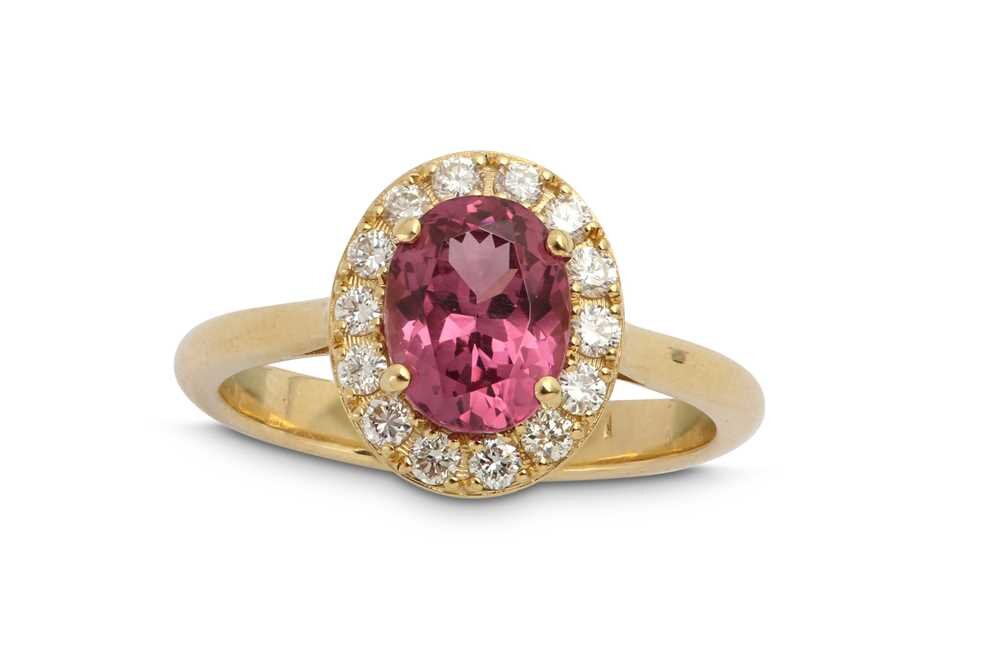
This pinkish purple natural spinel, can be bought loose (Whatsapp me for price) or set in this attractive ring”.
The details: Oval mixed cut, weighing 1.94 carats, measuring 8.4 x 6.5 x 4.4 mm., set by four claws, with a halo cluster of 14 round brilliant diamonds of approx. 0.50 carats total weight, to a yellow metal mount, stamped ‘18CT’.
Ring size P (7.75). Weight of ring 5.1 grams.
Eric says: “Blue sapphires remain the most popular coloured stones with the jewellery buying public. And the reason is quite clear: blue is a basic colour of nature - the sky and the sea.
Blue sapphires come in many shades (saturations) of the colour, from pale to vivid blue. Many words are used to describe these saturations and are, I believe, just marketing ploys. You will hear of Cornflower blue and of Royal blue - I do not subscribe to such terminology. You, as a buyer, should let the gem speak to you. Do you like the purity of its colour, the blue in many sapphires is sometimes accompanied by secondary tones of green or violet. Look at its distribution of colour across the gem as sapphires are sometimes banded in colour. Heat treatment of sapphires improves the colour appearance and transparency so the vast majority of sapphires offered by the global geb trade are heat treated. Rarer sapphires are those not needing heat treatment to enhance their blue. I prefer these unheated sapphires and like to trade them”.
This ring features an unheated sapphire approx. 0.50 carats of fine even saturation flanked by a round brilliant cut natural diamond, approx. 0.20ct, assessed as H/I colour and SI2/I1 clarity, to either side, claw set in hallmarked 18ct white gold. Ring size= Q, (US-8).
Round brilliant diamond, assessed in the mount as 0.39 carats, G-H colour, SI2-I1 clarity four claw set in 18ct white gold ring, UK hallmarked, ring size- N, band width- 1.8 mm, weight of ring- 2.6 grams.
Another ring I have had for many years.
DM me if interested to learn more.
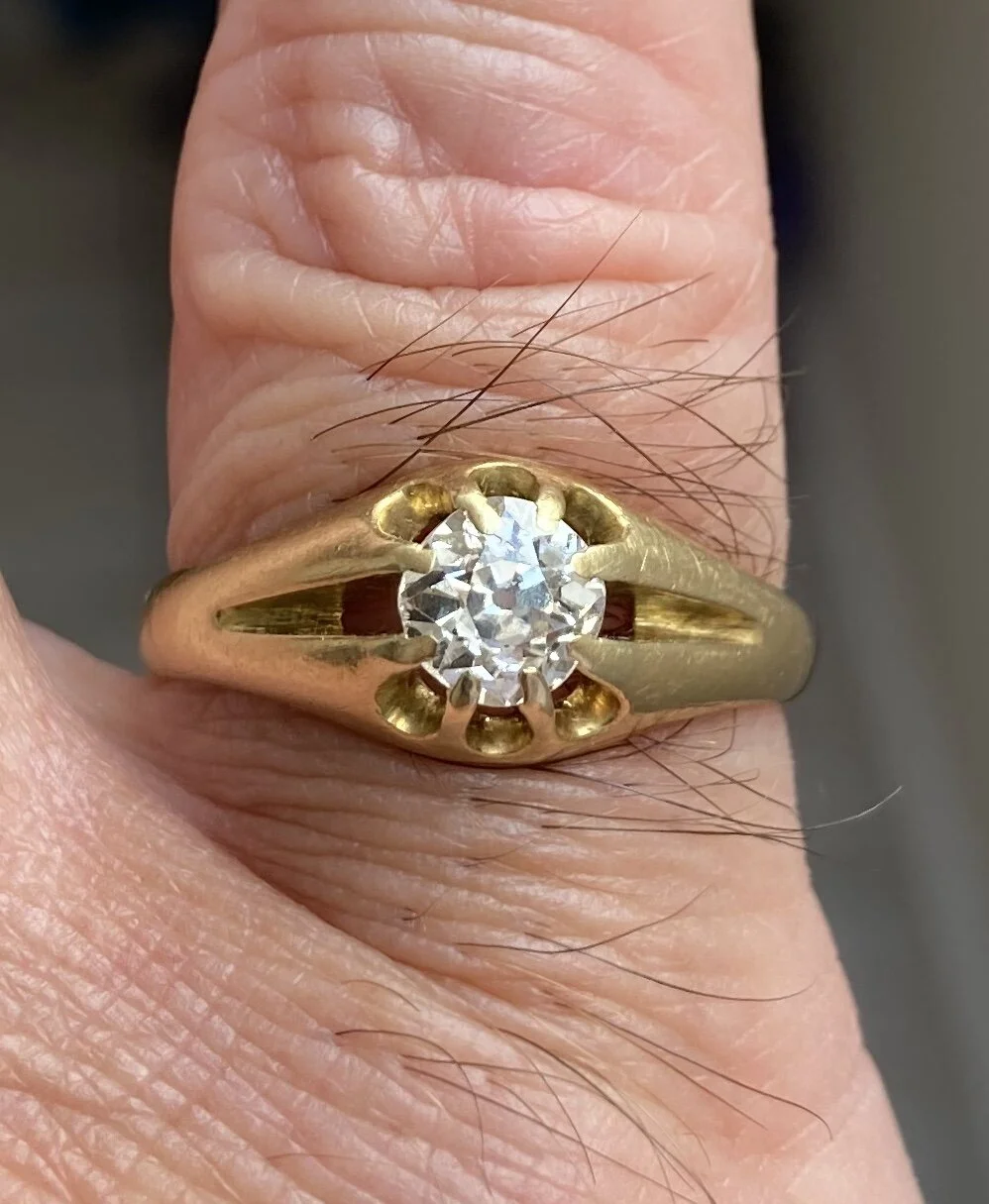
An antique cut cushion diamond, referred by the diamond trade as an Old Mine Brilliant diamond. It measures approx. 5.0 x 4.7 x 4.0 mm ,weighing approx. 0.60 carats.
Assessed as H/I colour and SI1 clarity, set in a modern 18ct white gold hallmarked ring.
Ring size N. Weight of ring is 3.9 grams.
Eric says: “Here is a very unusual ring! I have a collection of rough diamonds, diamonds as Nature formed them tens of millions or even over a billion years ago, hundreds of kilometres beneath the surface of the Earth under unimaginable temperatures and pressures.
The diamond crystals I have were procured decades ago when I taught a diamond course in the UK. I love the shape (‘habit’) of rough diamonds. I chose this one to mount as a unique diamond ring - there is no other one like it.
The diamond has 12 sides (‘faces’) so its habit is called dodecahedral, each face is lozenge shaped. The lozenge shape is frequently used to represent diamond - think of the diamond shape on the diamond suite of playing cards. I have had the diamond crystal mounted so the largest face is uppermost and the lozenge is obvious to see.”
A 0.63 carat diamond crystal of dodecahedral habit (12-sided crystal) set with the largest lozenge (diamond!) shaped face uppermost, mounted by a rub-over setting to a 18ct yellow gold ring. UK Hallmark. Ring size - M (6.25). Weight of ring - 3.1 grams
No results match your search. Try removing a few filters.